
Light Requirements
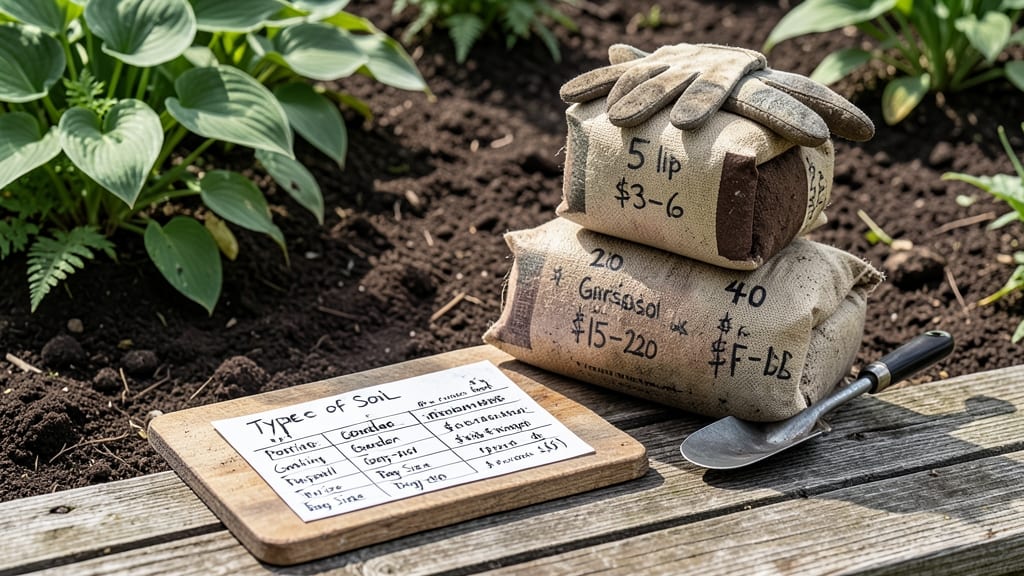
A bag of soil costs between $2 and $10 depending on type, with basic garden soil at the lower end and specialty mixes like seed-starting or cactus blends at the higher end. Your best deals come from big-box stores, while organic or premium options often cost more at local nurseries.
A bag of soil's price swings wildly based on what's inside it. 🌱 Standard garden soil stays budget-friendly because it's mostly topsoil, while potting mixes with added perlite or coconut coir climb into the mid-range.
The real premium jump happens with organic-certified blends or those designed for specific plants—think orchid mixes or worm castings. I've noticed that even within the same store, prices can vary by 20% depending on whether you're buying a 2-cubic-foot bag or a 4-cubic-foot one.
Where you shop makes just as big a difference as what you buy. Big-box stores like Home Depot and Lowe's consistently offer the lowest prices because they buy in massive quantities, but their selection might not include niche products.
Local nurseries often charge more for specialty soils, though they frequently have better quality control. My pro tip? Check for seasonal sales in early spring—many stores slash soil prices by 30% to clear inventory before planting season.
💡 In This Article
- Soil Cost Factors: Type, Quality, and Brand Differences
- Where to Buy Soil Cheap: Store-by-Store Price Comparison
Soil cost factors: type, quality, and brand differences
The price of soil bags varies dramatically based on their composition, with the most significant cost driver being the inclusion of premium organic materials.
Standard garden soil, which is primarily topsoil, stays affordable because it requires minimal processing—just screening to remove rocks and debris. 🌱 In contrast, potting mixes designed for container gardening often include additives like perlite (for aeration) or coconut coir (for moisture retention), which can double the cost per cubic foot compared to basic garden soil.
Organic certification adds another layer of expense. Soil blends labeled "organic" typically contain composted plant matter, worm castings, or other nutrient-rich materials that cost more to source and process.
For example, a 2-cubic-foot bag of Miracle-Gro Potting Mix runs around $4–$5, while an organic alternative like FoxFarm Ocean Forest might cost $7–$9 for the same volume. The difference? Ocean Forest includes bio-stimulants like kelp and humic acids that enhance plant growth but require specialized production.
Bag size also plays a critical role in pricing. A 1-cubic-foot bag of basic garden soil might cost $2–$3, while a 4-cubic-foot bag of the same type could drop to $4–$6—that's a 50% savings per cubic foot.
Specialty soils like cactus or succulent mixes, which need excellent drainage, often include sand or volcanic rock, pushing prices to $8–$12 for a 2-cubic-foot bag. The more specialized the soil, the more expensive it becomes due to the need for precise ingredient ratios.
Regional sourcing creates additional price variations. Stores in urban areas often pay more for soil due to higher transportation costs, while rural customers may find cheaper options at local farms or quarries.
For instance, a bag of topsoil might cost $3 in a suburban Home Depot but only $1.50 at a nearby gravel pit. Seasonal availability also impacts pricing—spring brings higher costs as demand spikes, while late fall often sees discounts of 20–30% as stores clear inventory.
Brand reputation and marketing also influence pricing. National brands like Miracle-Gro or Scotts invest heavily in research and advertising, which gets passed to consumers. Their premium blends often include proprietary mixes of microbes or slow-release fertilizers that justify the higher price.
Meanwhile, generic store-brand soils may cost 30–40% less but lack the same consistency in performance. The trade-off? You might save money upfront but risk inconsistent plant growth if the soil lacks the right balance of nutrients and texture.
Consider this real-world example: A 2-cubic-foot bag of basic garden soil from Tractor Supply costs $3.50, while a similar-sized bag of their "Garden Soil with Compost" blend jumps to $5.50.
The extra $2 buys you improved fertility and moisture retention—worth it for vegetable gardens but unnecessary for purely decorative landscaping. Understanding these factors helps you make smarter purchasing decisions based on your specific gardening needs. 💡