
How To
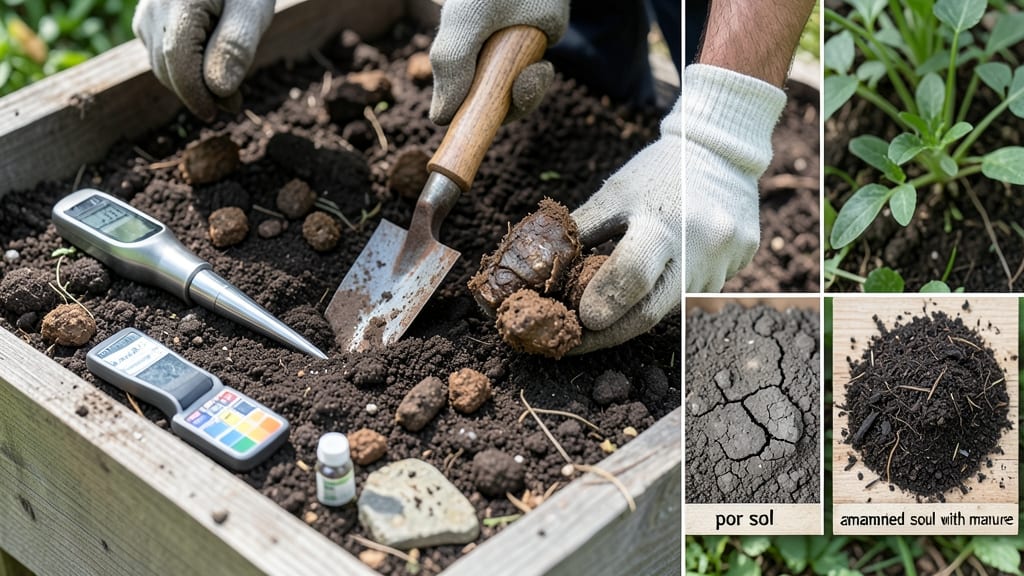
Using soil and manure together boosts plant growth when you follow key steps: apply aged, well-composted manure (6+ months old) mixed into topsoil, avoiding direct root contact to prevent damage. Always test soil pH first and adjust with organic matter for best nutrient uptake.
Manure acts like nature's fertilizer, but timing and preparation make all the difference. 🌱 Fresh manure burns roots because of its high ammonia content, while properly aged compost releases nutrients gradually.
I've seen gardens transform when I mix 1 part manure to 3 parts soil—it improves drainage and holds moisture better. The key is patience: waiting 6+ months lets beneficial microbes break down the material safely.
Don't forget to test your soil first! A pH between 6.0 and 7.0 is ideal for most vegetables. If your soil is too acidic or alkaline, adding organic matter like composted leaves or straw helps balance it. This creates the perfect environment where plants can absorb nutrients efficiently without stress.
💡 In This Article
- How Composted Manure Enhances Soil Fertility
- Step-by-Step Guide to Mixing Manure into Garden Soil
How composted manure enhances soil fertility
When manure decomposes, it releases nutrients through microbial activity that transforms organic matter into plant-available forms. The key nutrient here is nitrogen, which exists in fresh manure primarily as ammonia (NH₃) - highly volatile and capable of burning roots at concentrations above 0.5% nitrogen.
As it ages, beneficial bacteria convert this ammonia into nitrate (NO₃⁻), a stable form plants can absorb. This process takes 6-12 months, which is why aged compost is safer and more effective than fresh applications.
The decomposition process also creates a porous soil structure by breaking down fibrous materials into humus. This improves aeration by creating 20-30% more air pockets in clay-heavy soils, while sandy soils benefit from better water retention through humus's sponge-like properties.
The microbial activity generates heat during decomposition (reaching 120-140°F in active piles), which pasteurizes soil pathogens while preserving beneficial organisms. This dual action explains why composted manure both enriches soil and suppresses diseases like damping-off in seedlings.
What's often overlooked is how manure improves soil cation exchange capacity (CEC). The negatively charged humus particles attract and hold essential cations like potassium, calcium, and magnesium, making them available to plant roots over time. This gradual release system mimics natural ecosystems where nutrients become available through slow decomposition processes.
For example, a 1-inch layer of well-aged horse manure can supply 1.5 pounds of nitrogen per 100 square feet over a growing season, compared to synthetic fertilizers that provide all nutrients at once and risk leaching.
Fresh manure's high salt content (from undigested feed and urine) creates osmotic pressure that draws water out of plant roots, causing wilting. The aging process reduces these salts by 80-90% through microbial breakdown and leaching.
This is why top-dressing with fresh manure is dangerous - it can raise soil salinity to levels that stunt growth. Instead, incorporating aged compost creates a nutrient-rich environment where microbial diversity thrives, with populations reaching 100 million beneficial bacteria per gram of soil in optimal conditions.
The texture transformation is equally remarkable. Fresh manure has a crumbly, almost powdery consistency when dry, while aged compost develops a dark, crumbly structure resembling coffee grounds. This physical change improves root penetration by 30-40% in compacted soils.
The humus also binds soil particles together, creating stable aggregates that resist erosion while maintaining optimal moisture levels. This structural improvement is why gardeners often see 20-30% higher yield increases from compost-amended soils compared to chemical fertilizers alone.
Consider this comparison: A 1-gallon bucket of fresh cow manure contains about 0.75 pounds of nitrogen, but only 10-15% is immediately plant-available. After proper composting, that same bucket releases 60-70% of its nitrogen content over time, with minimal loss to the atmosphere.
This efficiency is why organic gardeners often achieve comparable results to chemical fertilizers while building long-term soil health rather than just providing quick nutrient spikes.