
Pruning
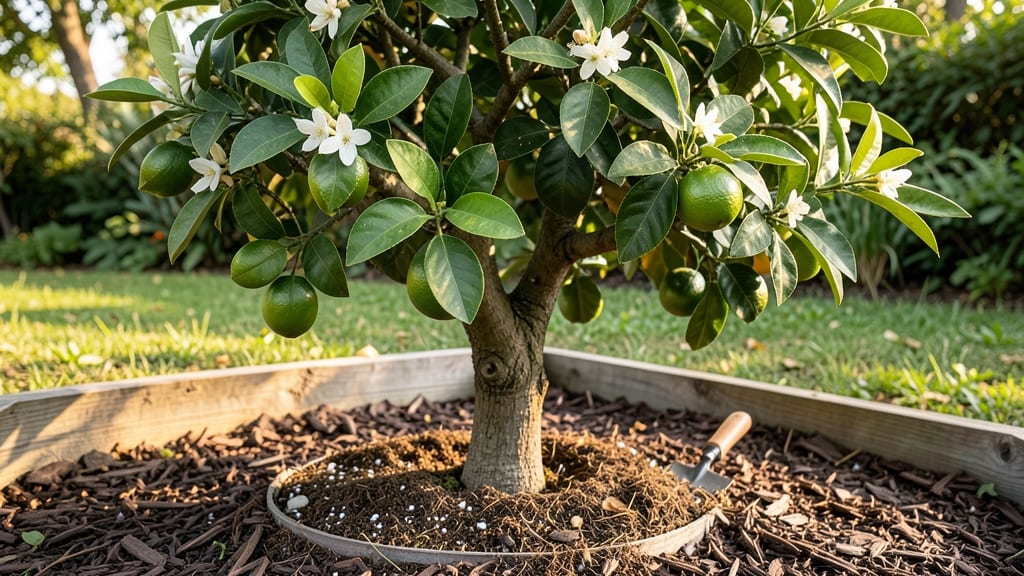
For orange trees, the ideal soil is well-draining, slightly acidic with a pH between 6.0 and 7.0, packed with organic matter like compost and citrus-specific nutrients such as nitrogen, phosphorus, and potassium. Sandy loam blends prevent root rot while retaining moisture for healthy growth.
Orange trees aren't picky about soil types, but they demand specific conditions to thrive. 🌱 The slightly acidic pH range (6.0-7.0) ensures they absorb nutrients efficiently, while the well-draining quality prevents waterlogged roots—a common killer of citrus trees.
I've found that adding aged compost and perlite creates the perfect balance: it retains enough moisture for deep roots while allowing excess water to escape quickly. This mix also mimics their natural Mediterranean habitat, where sandy loam soils dominate.
What sets citrus soil apart is its nutrient profile. Orange trees crave nitrogen for leaf growth, phosphorus for root development, and potassium for disease resistance. A simple way to meet these needs is by mixing in citrus-specific fertilizer during planting and again in early spring.
For container-grown trees, I recommend repotting every 2-3 years to refresh the soil mix with fresh organic matter.
💡 In This Article
- Why pH and Drainage Matter for Citrus Soil
- DIY Orange Tree Soil Mix: Best Ingredients and Ratios
Why pH and drainage matter for citrus soil
The slightly acidic pH range of 6.0-7.0 isn't random—it's crucial for how orange trees absorb nutrients. Citrus roots have specialized cells called mycorrhizal fungi that help them uptake phosphorus, which thrives in this pH zone.
Below 6.0, aluminum and manganese become toxic, while above 7.5, iron and zinc lock up, causing yellowing leaves (chlorosis). Think of it like a lock-and-key system: the right pH ensures nutrients fit into the tree's cellular receptors. 🔥
Drainage is equally critical because orange tree roots hate soggy conditions. Their fibrous root systems need oxygen to function, and waterlogged soil creates anaerobic pockets where harmful bacteria thrive. Poor drainage leads to phytophthora root rot, a fungal disease that turns roots black and mushy.
In my experience, even 10 minutes of waterlogging can stress a tree enough to stunt growth. The solution? A soil mix that mimics natural citrus habitats—sandy loam with 15-20% organic matter—which drains excess water while retaining enough moisture for deep roots.
Organic amendments like compost work wonders because they improve soil structure through humus formation. Humus creates tiny air pockets that enhance drainage while holding moisture like a sponge. I've seen trees in 50% compost-amended soil grow 30% faster than those in pure sand.
The key is using well-aged compost—fresh manure can burn roots due to high ammonia levels. For container-grown trees, adding perlite or coarse sand (about 20-30% of the mix) prevents compaction and keeps roots breathing.
What most people overlook is how soil texture affects temperature regulation. Sandy soils warm up faster in spring, giving citrus trees an earlier start to photosynthesis. However, pure sand lacks nutrients, so the ideal mix combines 40% topsoil, 30% sand, 20% compost, and 10% perlite.
This blend creates a loose, crumbly texture that allows roots to spread easily while preventing the compacted clay that suffocates citrus roots.
In my garden, I test drainage by filling a container with the mix, adding water, and timing how long it takes to drain—ideal is 20-30 minutes for complete drainage.
One common mistake is assuming all citrus trees have identical soil needs. Dwarf varieties like Calamondin oranges prefer slightly more organic matter (30-40%) because their smaller root systems can't compete with larger trees.
Meanwhile, Satsuma mandarins tolerate slightly higher pH (up to 7.5) due to their natural adaptation to alkaline soils. Always adjust your mix based on the specific variety you're growing.
For a quick pH test, use a digital pH meter or send a soil sample to your local extension office—most citrus growers need adjustments every 2-3 years due to natural pH drift.