
How To
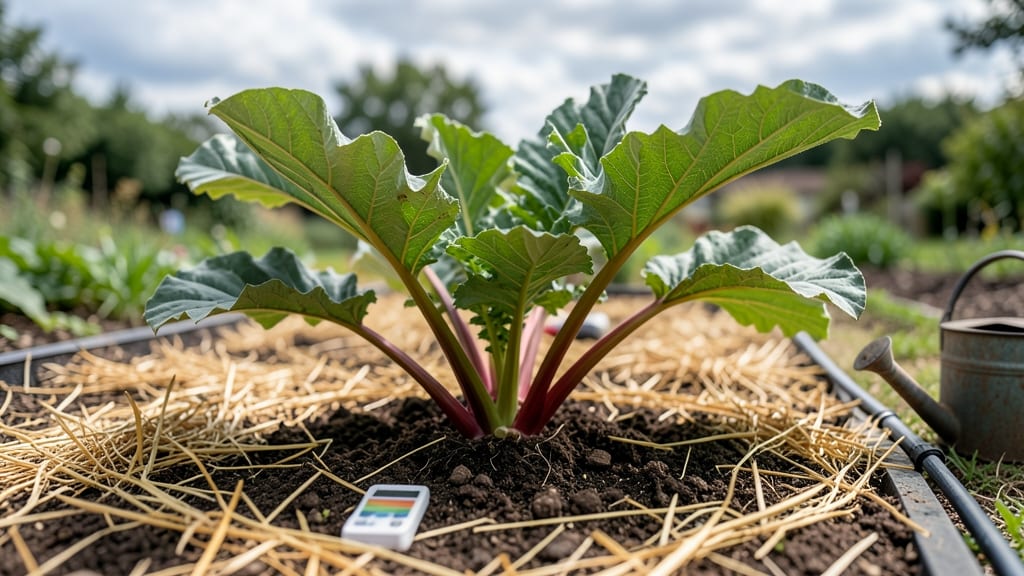
Your rhubarb's future starts with the right soil—well-draining loam with a slightly acidic pH between 6.0 and 6.5. 🌱 I learned the hard way that soggy soil turns rhubarb leaves mushy and stunts growth, while rocky soil leaves roots struggling.
The secret? A mix that holds moisture but never sits wet, with organic matter to keep nutrients flowing. Most gardeners overlook the pH test, but rhubarb hates alkaline soil. A simple home test kit (or lab test) will tell you if your soil needs sulfur or peat moss to adjust.
Amend heavy clay with coarse sand or perlite, while sandy soil benefits from compost and leaf mold to improve water retention. Once you’ve got the perfect bed, your rhubarb will reward you with bold, tangy stalks by its second year.
The key is patience—rhubarb needs time to establish roots before it puts energy into those signature spears. Think of it as a long-term investment in breakfast pies and jam. For cooler climates, mulch heavily in winter to protect roots; in hot regions, shade cloth keeps soil from drying out.
Whether you’re in a temperate zone or a frost-prone area, the right soil sets the stage for a harvest that’ll make your neighbors jealous.
📚 In This Guide
- What you need
- Instructions
- Tips and common mistakes
- Wrapping up and next steps
What you need
- ● Well-draining loam soil: Aim for a mix of 60% topsoil, 30% compost, and 10% coarse sand or perlite (1 cubic yard per 10 sq ft of planting area).
- ● Organic matter: Peat moss or aged compost (5-10 lbs per planting hole) to improve fertility and moisture retention.
- ● Sulfur or aluminum sulfate: For adjusting pH to 5.5–6.5 (1-2 lbs per 100 sq ft, depending on your soil’s current pH).
- ● Garden trowel or spade (for digging and amending soil).
- ● Garden fork (to loosen compacted soil).
- ● pH testing kit (digital or liquid test strips).
- ● Gloves & kneeling pad (for comfort and hygiene).
- ● Watering can or hose with a gentle spray nozzle (for even moisture distribution).
- ● Mulch (straw or wood chips) (2-3 inches) to retain moisture and suppress weeds.
- ● Slow-release fertilizer (balanced 10-10-10) (1 lb per 100 sq ft, applied in early spring).
- ● Soil moisture meter to monitor hydration levels.
- ● Rhubarb crowns (certified disease-free) (1-2 per planting spot, spaced 3-4 ft apart).
How to prepare ideal soil for rhubarb growth
Rhubarb thrives in specific soil conditions—here's how to create the perfect foundation for healthy plants.
🌱 Step 1: Start With Well-Draining Loam Soil
Rhubarb roots need loose, fertile soil that drains well but retains moisture. Begin with a base of loamy garden soil—this means a mix of sand, silt, and organic matter that holds nutrients without becoming waterlogged. Test your existing soil by squeezing a handful: if it crumbles easily when dry but holds shape when damp, you're on the right track.
If your soil is heavy clay, amend it with 2-3 inches of compost or well-rotted manure spread evenly over the planting area. This improves drainage and adds essential nutrients. Work the compost into the top 12 inches of soil using a garden fork, breaking up any compacted layers. Rhubarb roots grow deep, so aerating helps them establish properly.
🌿 Step 2: Adjust pH to Slightly Acidic Levels
Rhubarb prefers a pH between 6.0 and 6.8—slightly acidic to neutral. Test your soil's pH using a home testing kit or send a sample to your local cooperative extension service. If your soil is too alkaline (above 7.0), add elemental sulfur or peat moss to lower the pH gradually.
For every 100 square feet of garden, mix in 1 pound of elemental sulfur and water the area thoroughly. Wait 2-3 months before planting to allow the pH to stabilize. You'll know the adjustment worked when the soil test confirms the pH is in the ideal range. Avoid quick fixes like vinegar—they disrupt soil microbes and harm plant roots.
✂️ Step 3: Enrich With Organic Matter for Long-Term Health
Spread a 2-inch layer of compost or leaf mold over the prepared soil and work it into the top 6 inches. Rhubarb is a heavy feeder, so organic matter ensures a steady supply of nutrients. Avoid fresh manure—it can burn tender roots and attract pests. Instead, use well-aged compost or a balanced 10-10-10 fertilizer applied at planting time.
For extra vigor, add a handful of wood ash (if your soil is acidic) or bone meal (for phosphorus) to the planting hole. Mix these amendments into the soil until evenly distributed. The goal is a soil that looks dark, crumbly, and rich—almost like a well-fed forest floor. This texture encourages strong root development and disease resistance.
💧 Step 4: Maintain Moisture Without Waterlogging
After planting, keep the soil consistently moist but never soggy. Rhubarb roots rot quickly in waterlogged conditions, so ensure your garden has good drainage. If your site is low-lying, create a raised bed or mound to prevent water pooling. Mulch with 2-3 inches of straw or wood chips to retain moisture and suppress weeds.
Water deeply once a week during dry spells, aiming for 1 inch of water per week. You'll know you're doing it right when the top 2 inches of soil stay damp but not saturated. Overwatering is a common mistake—rhubarb is tough but won’t tolerate wet feet. Adjust your watering based on rainfall, and always check soil moisture before adding more water.
☀️ Step 5: Monitor and Adjust Over Time
Rhubarb is a perennial, so soil quality matters for years to come. Every spring, top-dress the planting area with 1-2 inches of compost to replenish nutrients. This prevents soil depletion and keeps plants productive. Watch for signs of stress—yellow leaves may signal nitrogen deficiency, while stunted growth could mean poor drainage or compacted soil.
If your rhubarb struggles, dig a small hole nearby and check the soil. It should feel like a damp sponge—if it's hard or clumpy, amend it again. Over time, your soil will become even richer as organic matter breaks down. With the right foundation, your rhubarb will reward you with bold, sweet stalks for decades.
Tips & tricks for perfect rhubarb soil preparation
Creating the ideal foundation for rhubarb isn't rocket science—but these little details make all the difference between healthy plants and struggling ones.
Soil Texture Test: The squeeze test in Step 1 is your best friend. If your soil feels sticky when wet or crumbles like dust when dry, it needs serious amending. For clay-heavy soils, mix in equal parts compost and coarse sand to break up compaction. I've seen rhubarb roots struggle in unamended clay for years—don't make that mistake! The goal is soil that holds moisture like a well-wrung sponge, not a brick.
pH Adjustment Timing: That 2-3 month waiting period in Step 2 is non-negotiable. Elemental sulfur works slowly, and rushing it can burn roots. I've had gardeners impatiently plant too soon, only to watch their rhubarb leaves yellow and wilt. Test your pH again right before planting—if it's still above 7.0, add another ½ pound of sulfur per 100 square feet and wait another month. Patience pays off with vibrant plants.
Organic Matter Layering: When you're working that 2-inch compost layer into the top 6 inches in Step 3, think of it like building a lasagna. Each layer should blend seamlessly—don't just dump compost on top. For extra insurance, mix in a handful of kelp meal (optional) with your compost. It adds trace minerals rhubarb loves without altering the pH. The result? Soil that looks rich and feels light, like forest floor after a gentle rain.
Watering Wisdom: The "consistently moist but never soggy" rule in Step 4 is crucial. I recommend using a moisture meter for the first few weeks to get the feel for your soil's moisture level. If you're watering once a week but still see puddles, your site needs better drainage—consider building a raised bed. And always water in the morning so excess moisture evaporates during the day, preventing fungal issues.
Pro Tips for Soil For Rhubarb
- Creating the ideal foundation for rhubarb isn't rocket science—but these little details make all the difference between healthy plants and struggling ones.
- Soil Texture Test: The squeeze test in Step 1 is your best friend.
- pH Adjustment Timing: That 2-3 month waiting period in Step 2 is non-negotiable.
Frequently asked questions
What’s the ideal pH range for rhubarb soil?
Rhubarb thrives in slightly acidic to neutral soil with a pH between 5.5 and 6.8. Test your soil with a kit—if it’s too alkaline (above 7.0), amend with sulfur or peat moss to lower the pH. Pro tip: Avoid over-amending; rhubarb is sensitive to drastic pH swings!
Can I plant rhubarb in clay soil?
Clay soil can work, but it must be well-amended to improve drainage. Mix in compost, sand, or perlite to loosen the texture and prevent root rot. Rhubarb dislikes soggy feet, so raised beds or mounds are great alternatives if your clay is heavy.
How often should I fertilize rhubarb?
Feed rhubarb once in early spring with a balanced 10-10-10 fertilizer or compost. Avoid high-nitrogen fertilizers later in the season, as they promote leafy growth over stalks. Warning: Over-fertilizing can lead to weak, stringy stalks.
Can I grow rhubarb in containers?
Yes! Use a large pot (at least 12 inches deep) with well-draining potting mix blended with compost. Containers dry out faster, so water consistently. Just ensure the pot has drainage holes—rhubarb hates waterlogged roots.
Why are my rhubarb leaves turning yellow?
Yellow leaves often signal overwatering, poor drainage, or nutrient deficiencies. Check soil moisture (it should be damp, not soggy) and test for pH imbalances. Fix it: Adjust watering, improve drainage, or add a balanced fertilizer if soil is depleted.
Does rhubarb need full sun?
Rhubarb prefers full sun (6+ hours daily) but tolerates partial shade in hot climates. In cooler zones, it can handle morning sun and afternoon shade. Hot tip: Mulch around plants to retain moisture and regulate soil temperature.
Wrapping up and next steps
Choosing the right soil for rhubarb is the foundation of a thriving garden—well-draining, slightly acidic loam packed with organic matter is your secret weapon! 🌱 With the right prep, you’ll enjoy vibrant stalks year after year.
Now that you’re armed with the knowledge, roll up your sleeves and get planting—your rhubarb patch is waiting!
Next steps:
- Test your soil’s pH and adjust if needed.
- Amend your garden bed with compost or peat moss.
- Plant your rhubarb crowns and watch them flourish!