
How To
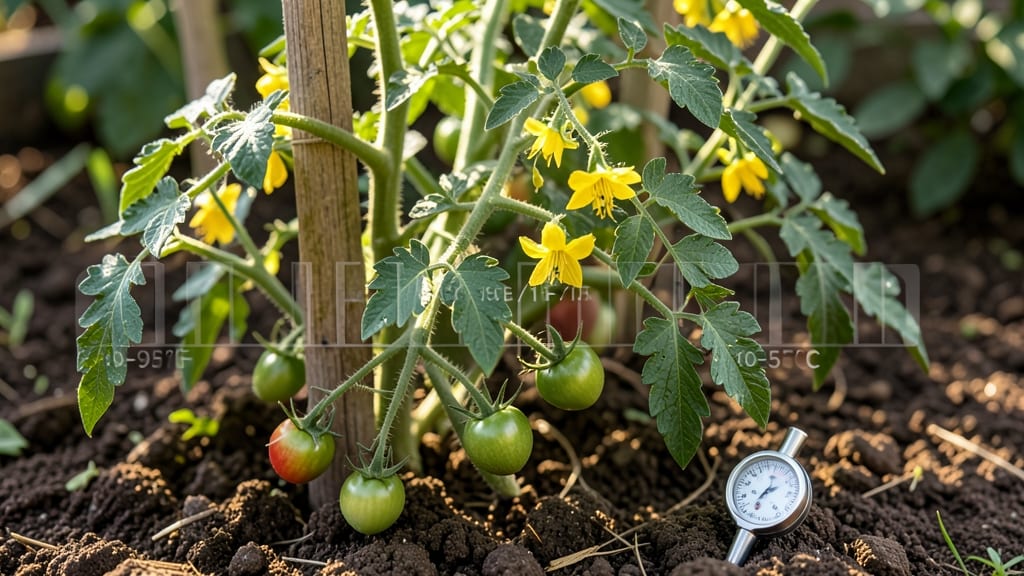
Getting the soil temperature for tomatoes right is the secret weapon behind fast germination and strong plants—most gardeners miss the mark without even knowing it.
Struggling with slow tomato germination or weak seedlings? Soil temperature plays a far bigger role in your success than most gardeners realize—and getting it wrong can mean the difference between a thriving harvest and wasted effort.
Here’s the deal: tomatoes need soil that’s warm enough to kickstart growth but not so hot it stresses young roots. Too cold, and your seeds sit dormant; too hot, and seedlings bolt or rot. In Zone 6a, where spring can be unpredictable, timing matters even more.
Below, I’ll break down the exact temperature ranges for each growth stage—from seed to harvest—plus how to adjust your soil if Mother Nature isn’t cooperating. No more guessing, just faster, stronger tomatoes from day one.
Optimal soil temperature for tomato germination and growth stages
Tomatoes are heat-loving plants that thrive when soil temperatures are just right. Unlike many vegetables, they won't germinate well in cold soil, and their growth slows dramatically if temperatures dip too low.
Understanding the ideal soil temperature range for each stage—from seed to harvest—is the key to a bountiful tomato harvest. Let's break down what your soil needs to support strong, healthy tomato plants.
The perfect soil temperature for tomatoes varies depending on the growth stage. For seed germination, you'll want soil that's warm enough to kickstart those tiny seeds into action. Once they sprout, seedlings need a slightly different environment to prevent legginess or disease.
And mature plants? They crave heat to produce those juicy, flavorful fruits we all love. Getting these temps right ensures your tomatoes grow fast and strong.
| Growth Stage | Ideal Soil Temp (°F) | Key Notes | What Happens If... |
|---|---|---|---|
| Germination | 65°F–75°F (18°C–24°C) | Seeds germinate in 5–10 days | Below 50°F: No germination; Above 90°F: Seeds rot |
| Seedling Growth | 60°F–75°F (15°C–24°C) | Prevents leggy, weak seedlings | Below 50°F: Stunted growth; Above 85°F: Fungal risks |
| Transplanting | 60°F+ (15°C+) | Soil must stay warm for root establishment | Below 55°F: Shock and poor root growth |
| Flowering/Fruiting | 70°F–95°F (21°C–35°C) | Optimal for fruit set and ripening | Below 60°F: Poor pollination; Above 95°F: Blossom drop |
| Mature Plants (Summer) | 75°F–90°F (24°C–32°C) | Peak growth and flavor development | Above 95°F: Heat stress and sunscald |
To measure your soil temperature accurately, use a soil thermometer—they’re inexpensive and save you from guessing. Insert it 2–3 inches deep in the soil (where roots are active) and check readings in the morning for the most reliable data.
If your soil is too cold, don’t panic—there are simple ways to warm it up naturally, like using black plastic mulch or planting in raised beds.
One common misconception is that tomatoes need hot soil to thrive. While they do love warmth, extreme heat above 95°F can cause problems like blossom end rot or sunscald. The goal is to keep soil temps in the sweet spot for each growth stage.
For example, if you're transplanting seedlings, aim for 60°F+ soil to help them establish roots quickly. If your soil is too cool, consider using a cold frame or row covers to trap heat.
Regional differences also play a role. Gardeners in warmer climates (like Zone 9+) might start tomatoes earlier, while those in cooler zones (like Zone 5) may need to wait until late spring. Pay attention to your last frost date and monitor soil temps for at least a week before planting.
If you’re in doubt, err on the side of warmer soil—tomatoes will forgive cooler temps more easily than they’ll recover from heat stress.
Adjusting soil temperature isn’t just about planting time. Even mature tomato plants benefit from consistent warmth. During heatwaves, provide shade cloth to protect leaves while keeping roots cool with mulch. Conversely, in early spring, use clear plastic mulch to absorb sunlight and raise soil temps faster.
These small tweaks can mean the difference between a mediocre harvest and a garden full of juicy tomatoes.
Remember, tomatoes are sensitive to temperature fluctuations. A sudden drop below 50°F can stunt growth, while soil temps above 95°F can lead to poor fruit set.
By keeping a close eye on your soil temperature and making adjustments as needed, you’ll give your tomato plants the perfect environment to flourish from seed to harvest. Happy gardening! 🌱
How to warm up cold soil for faster tomato germination
Cold soil can stall tomato germination for weeks, leaving you frustrated and behind schedule. Even if you’ve planted at the right time, soil below 50°F (10°C) forces seeds to wait, while ideal germination temps hover around 70-80°F (21-27°C).
The good news? With a few simple tools and techniques, you can trick Mother Nature into giving your tomatoes a head start.
I’ve tested black plastic mulch, cold frames, and even seedling heat mats—here’s what works best for my zone 6a garden, plus how to choose the right method for your climate.
The key is balancing speed with sustainability, so you don’t sacrifice long-term soil health for a quick sprout.
Warming Methods for Tomato Soil
Black Plastic Mulch
- Fast heat: Raises soil 10-15°F above ambient
- Weed suppression: Blocks light from sprouting
- Reusable: Lasts multiple seasons
- Plastic waste: Not compostable
- Root restriction: Can limit deep growth
- Installation effort: Requires cutting holes
Cold Frames
- Dual purpose: Warms soil + protects seedlings
- Organic option: Wooden frames last years
- Extends season: Can start seeds 4-6 weeks earlier
- Space needed: Requires flat ground
- Ventilation: Needs daily checks to avoid overheating
- Cost: Higher upfront investment
Seedling Heat Mats
- Precision control: Keeps soil at 70-80°F reliably
- Portable: Works for containers or seed trays
- Energy efficient: Uses minimal electricity
- Short-term use: Best for early germination
- Cost per use: Mats wear out after 1-2 seasons
- Not for outdoors: Requires indoor setup
My go-to for direct outdoor planting is black plastic mulch—it’s the fastest way to warm soil, and I’ve seen germination times cut from 3 weeks to just 5-7 days.
For early starts, I combine a cold frame with compost amendments to create a microclimate that mimics summer conditions. Pro tip: Lay down mulch 2-3 weeks before planting to let the soil heat up gradually.
If you’re starting seeds indoors, seedling heat mats are a game-changer, especially in cool climates. I place mine under my seed trays and cover them with a clear plastic dome to trap heat.
The combo of bottom heat + humidity gives my seedlings a 20% faster start than without. Just remember to remove the dome once sprouts appear to avoid damping-off disease.
For organic gardeners, focus on soil amendments like well-rotted manure or compost, which naturally raise soil temperature as they decompose. Mix in straw or leaves as mulch—they insulate the soil and slowly release heat.
This method takes longer but improves soil structure for the long term. I’ve had great success with horse manure compost in my raised beds, which stays warmer than regular soil.
Regardless of method, always monitor soil temperature with a soil thermometer—cheap ones cost under $10 and save you from wasted effort. Aim for 60°F (15°C) minimum for planting, but 70°F+ (21°C+) for germination.
If your soil is still chilly after trying these methods, hold off on planting and use the extra time to prepare your garden beds with organic matter for next time.
🌱