
Neem Oil
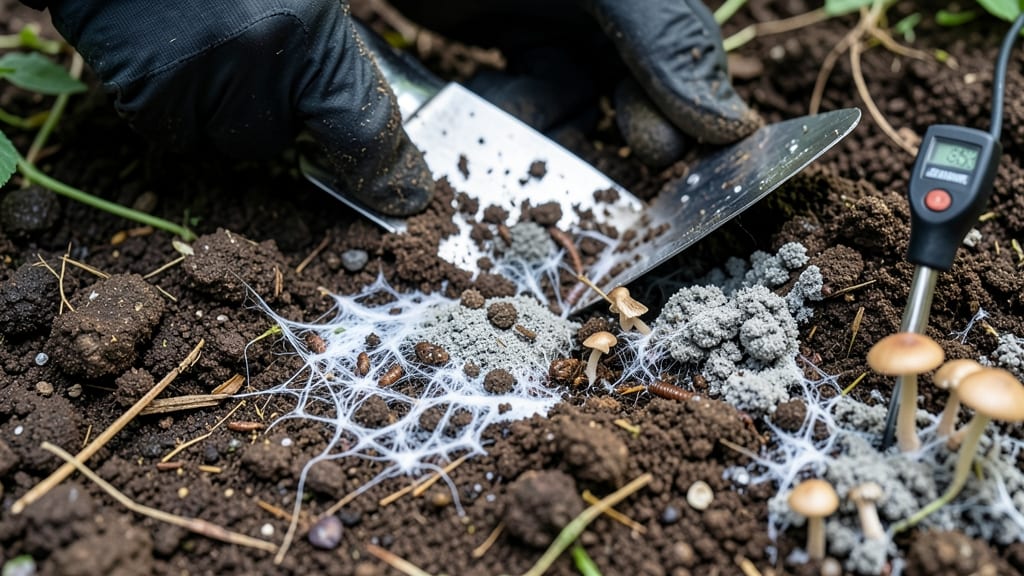
That brown soil fungus creeping through your garden beds isn't just an eyesore—it's silently stealing nutrients from your plants' roots. 🌱 I've seen it turn thriving gardens into struggling patches overnight, but neem oil isn't just another quick fix; it's the organic reset your soil desperately needs.
The key is acting fast before the fungus spreads deeper, because once it takes hold, even the hardiest plants struggle to recover.
Most gardeners blame overwatering or poor drainage first, and they're right—but the real culprit is often Rhizoctonia or Thielaviopsis, two stubborn soil fungi that thrive in damp, compacted soil. You'll spot them as dark brown, webby patches on roots or that telltale musty smell when you dig.
The good news? Neem oil disrupts their life cycle without harming your plants, and when paired with proper drainage fixes, it works faster than chemical fungicides.
What you'll end up with is soil that smells fresh again, roots that look healthy and white, and plants that bounce back with vigor.
The neem oil treatment takes about 7 days to show visible improvement, but the real payoff comes when you replant—your soil will resist future outbreaks if you keep up with the prevention steps. No more guessing whether your plants are struggling from fungus or something else.
This method works for vegetable gardens, flower beds, and even houseplants struggling in damp soil. The only catch? You'll need to stay consistent with treatments and fix drainage issues first. Let's get your soil back to a state where your plants can thrive—without the fungus holding them back.
Root Causes of Soil Fungus Growth
Understanding why brown soil fungus thrives in your garden or lawn is the first step to preventing it. These unsightly and often harmful organisms don’t develop randomly—they respond to specific conditions in your soil.
Below, we break down the key factors that create the perfect environment for fungal growth, so you can address them directly.
---
Brown soil fungus loves moisture—too much of it. When soil stays soggy for extended periods, it creates a damp, oxygen-poor environment where fungal spores multiply rapidly. Poor drainage is a common culprit, especially in clay-heavy soils or areas with compacted ground.
Why it happens: - Excessive moisture weakens plant roots, making them more susceptible to fungal infections. - Lack of airflow in waterlogged soil encourages anaerobic conditions, which fungi thrive in. - Overwatering (even from frequent light watering) keeps the topsoil perpetually damp, inviting fungal growth.
Actionable fix: Test your soil’s drainage by digging a small hole, filling it with water, and timing how long it takes to drain. If it takes more than 6 hours, amend the soil with organic matter (like compost or perlite) to improve aeration.
---
Leaves, grass clippings, and other plant debris left on the soil surface act as a buffet for fungi. While mulch is great for moisture retention, improper use (like piling it too thickly) can trap moisture and block airflow, creating a fungal paradise.
Why it happens: - Decaying organic matter releases sugars and nutrients that fungi feed on. - Thick mulch layers (over 2–3 inches) suffocate soil and trap humidity. - Improperly composted materials may still contain viable fungal spores.
Actionable fix: Keep mulch layers thin (1–2 inches) and ensure it’s well-aerated. Remove fallen leaves and debris promptly, especially in damp areas. Use coarse mulch (like wood chips) instead of fine materials that compact easily.
---
Fungi are opportunistic—they flourish when conditions are just right. Warm, humid weather (especially in summer or fall) accelerates their growth, while sudden temperature drops can weaken plants, making them more vulnerable.
Why it happens: - High humidity (above 70%) keeps fungal spores active and spreading. - Warmth (60–80°F) is ideal for fungal metabolism and spore germination. - Cold snaps or frost stress plants, reducing their resistance to infections.
Actionable fix: Improve airflow around plants with proper spacing and pruning. Use shade cloth in hot climates to reduce humidity, and avoid watering in the evening to let foliage dry overnight.
---
Soil that’s either too rich in nitrogen or deficient in essential minerals creates stress in plants, making them more prone to fungal attacks. While nitrogen promotes leafy growth, it can weaken roots, leaving them defenseless.
Why it happens: - Excess nitrogen leads to soft, succulent plant tissue that fungi love to colonize. - Low phosphorus or potassium weakens root systems, reducing disease resistance. - Improper pH levels (too acidic or alkaline) disrupt beneficial microbial balance, allowing fungi to dominate.
Actionable fix: Conduct a soil test to check pH and nutrient levels. Amend soil with balanced organic fertilizers (like compost or bone meal) to strengthen plant immunity. Avoid over-fertilizing, especially with high-nitrogen products.
--- Insects like grubs, slugs, and aphids don’t just eat plants—they create entry points for fungi. Their feeding wounds expose plants to infections, and their waste can further contaminate the soil.
Why it happens: - Root-feeding pests (e.g., grubs) damage roots, making them susceptible to fungal invasion. - Sap-sucking insects (e.g., aphids) weaken plants, reducing their ability to fight off pathogens. - Decaying pest bodies in soil release nutrients that fungi use to grow.
Actionable fix: Use neem oil or beneficial nematodes to control pests naturally. Remove affected plant debris immediately and rotate crops to break the pest-fungus cycle. Healthy plants are your best defense!
Fixing Fungal Soil Issues Naturally
Discovering brown soil fungus—whether in your garden, potted plants, or lawn—can feel like a setback, but the right approach can restore your soil’s health without harsh chemicals. Below are targeted solutions based on the most common causes, from quick fixes to long-term prevention.
With a little effort, you can reclaim vibrant, fungus-free soil that supports thriving plants.
If your soil stays soggy or lacks airflow, fungi thrive in the damp, oxygen-deprived environment. Here’s how to fix it:
#### 🔥 Step 1: Test Your Soil’s Drainage - Dig a small hole (6–8 inches deep) and fill it with water. If the water drains within 30 minutes, your soil is okay. If it pools for hours, drainage is the issue. - Pro Tip: 💡 Mix in coarse sand, perlite, or compost (20–30%) to improve aeration without compacting the soil. #### 🍳 Step 2: Amend the Soil - For heavy clay soil: Blend in organic matter like leaf mold, well-rotted manure, or coconut coir to loosen the texture. - For potted plants: Repot into containers with drainage holes and a mix of potting soil + perlite (1:1 ratio). - For lawns: Aerate in fall or spring using a core aerator to create channels for water and air. #### ⏰ Step 3: Adjust Watering Habits - Water deeply but infrequently—aim for 1–1.5 inches per week (including rain). - Water in the early morning to allow foliage to dry, reducing fungal spores. - Avoid overhead sprinklers—use drip irrigation or soaker hoses instead.Neem oil is a powerhouse for breaking the fungal life cycle. Combine it with these steps for maximum effectiveness:
#### 👨🍳 Step 1: Apply Neem Oil Treatment - Recipe: Mix 1 tbsp neem oil + 1 tsp mild liquid soap (as an emulsifier) + 1 quart of water. Stir well. - Spray onto soil surface, plant stems, and leaves—focus on infected areas. Reapply every 7–10 days until the fungus clears. - Pro Tip: 🌡️ Apply in the early morning or late afternoon to avoid burning plants in direct sunlight. #### 🔪 Step 2: Remove Infected Plant Debris - Pull up and discard (or compost in a hot bin) any moldy mulch, dead leaves, or diseased plants. - Sterilize tools with rubbing alcohol or a 10% bleach solution (1 part bleach to 9 parts water) to prevent cross-contamination. #### ✨ Step 3: Boost Soil Health with Beneficial Microbes - Add compost tea (brewed from worm castings or aged compost) to introduce beneficial bacteria that outcompete fungi. - Use mycorrhizal fungi (available as powders or granules) to strengthen plant roots naturally. - Plant fungal fighters: Garlic, chives, and marigolds release natural antimicrobial compounds.Fungi love warm, humid conditions. Break the cycle with these adjustments:
#### 💡 Step 1: Improve Air Circulation - Space plants at least 12–18 inches apart to allow airflow. - Use fans in greenhouses or shaded areas to reduce humidity. - Prune overgrown foliage to prevent moisture buildup. #### 🎯 Step 2: Mulch Strategically - Avoid thick mulch layers (stick to 2–3 inches) to prevent moisture trapping. - Choose fungal-resistant mulches like pine straw, cedar chips, or straw (avoid wood chips if fungus is severe). - Keep mulch 2–3 inches away from plant stems to deter fungal growth. #### 🌿 Step 3: Adjust Temperature & Light - Ensure 6–8 hours of sunlight daily—fungi thrive in shady, damp conditions. - Use row covers in humid climates to protect plants without suffocating them. - Ventilate greenhouses daily to lower humidity below 60%.An ounce of prevention is worth a pound of cure. Implement these habits to minimize future outbreaks:
- ✅ Rotate crops annually to prevent soil-borne fungus buildup. - ✅ Solarize infected soil (cover with clear plastic for 4–6 weeks in hot sun) to kill fungal spores naturally. - ✅ Use raised beds with sterile soil mixes if your area is prone to fungal issues. - ✅ Monitor soil pH—most fungi prefer acidic soil (pH < 6.5). Test and amend with lime (to raise pH) or sulfur (to lower pH) as needed. - ✅ Plant resistant varieties—some plants (like fungus-resistant tomatoes or peppers) are bred to fight off common soil pathogens.With these practical, chemical-free solutions, you can eradicate brown soil fungus and create a healthier, more resilient growing environment. Start with the fixes that match your specific issue, and soon your soil will be fungus-free and flourishing! 🌱💚
Frequently asked questions
What does brown soil fungus look like on plant roots?
Brown soil fungus typically appears as dark brown, thread-like strands (mycelium) or fuzzy patches on roots and soil. You might also see brown, webby growths or a musty smell when you dig. Look for roots that appear rotted or covered in a brown, velvety coating—this is a clear sign of fungal infection.
Can neem oil kill brown soil fungus completely?
Neem oil disrupts the fungal life cycle and can significantly reduce brown soil fungus, but it rarely eliminates it entirely. For best results, combine neem oil treatments with soil amendments (like compost) and improve drainage. Repeat applications every 7-10 days for 4-6 weeks to break the fungus's hold.
Is brown soil fungus harmful to my plants?
Yes, it can be. Brown soil fungus weakens roots by blocking nutrient uptake, leading to stunted growth or plant death in severe cases. Early signs include yellowing leaves, wilting, or plants that seem "off" despite proper care. Act fast—once established, these fungi are hard to remove.
How long does it take for neem oil to work on soil fungus?
You'll typically see improvements within 7-10 days of consistent treatment, but full eradication may take 4-6 weeks. The key is persistence—fungi reproduce quickly, so don't skip applications. Combine with soil aeration for faster results.
Can I reuse soil after treating brown soil fungus?
Yes, but with precautions. After treatment, let the soil dry completely and test for residual fungus. For high-value plants, consider solarizing the soil (covering with clear plastic for 4-6 weeks) or using fresh potting mix. Always sterilize tools between uses to prevent reinfection.