
Planting
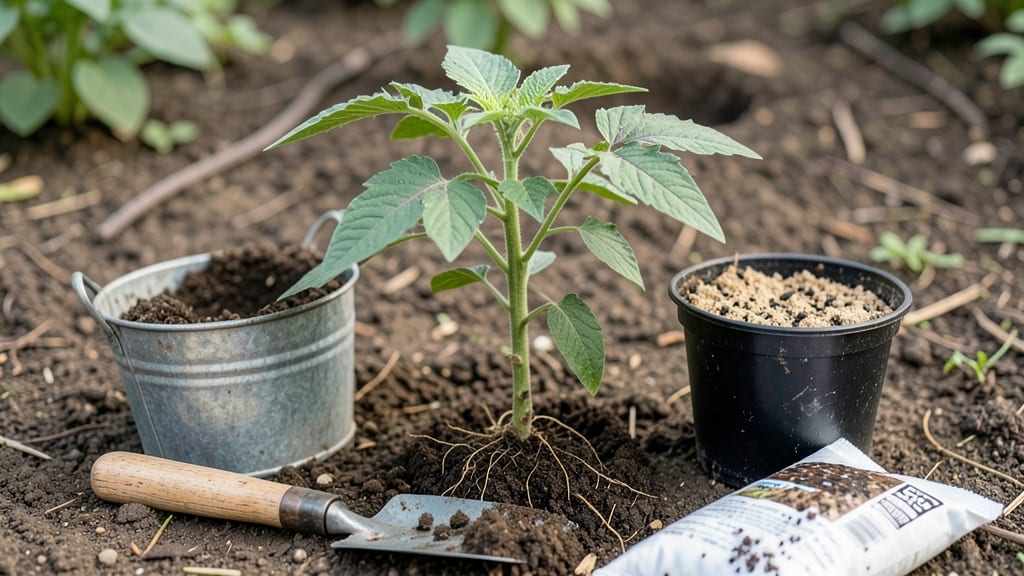
You can use potting soil in the ground, but it's risky: it lacks essential nutrients, compacts easily, and drains too quickly, often suffocating plant roots and disrupting native soil ecosystems. Mixing it with native soil in small amounts is safer for amending poor ground soil.
Potting soil is designed for containers, not outdoor beds. 🌱 Its lightweight, fast-draining formula works perfectly in pots but creates problems when tilled into garden soil—roots struggle to establish in the sterile, nutrient-poor mix. The biggest issue?
Potting soil lacks the beneficial microbes and organic matter that native soil naturally develops over time. For best results, blend it with compost or your existing soil (no more than 25% potting soil) to improve drainage without sacrificing long-term fertility.
When used alone, potting soil can actually worsen soil health by blocking water absorption and preventing root expansion. 🌿 For example, heavy clay soils benefit more from compost or aged manure than from potting soil additions.
Always test your soil first—if it's already rich, skip the potting soil entirely and focus on organic amendments instead.
💡 In This Article
- Why Potting Soil Fails in Garden Beds
- Smart Ways to Blend Potting Soil for Ground Use
Why potting soil fails in garden beds
Potting soil is engineered for containers, not outdoor beds, and its composition creates a fundamental mismatch with garden soil.
The biggest culprit is its sterility—commercial potting mixes are pasteurized to kill weeds and pathogens, which also eliminates the beneficial microbes (like mycorrhizal fungi) that help roots absorb nutrients in native soil.
Without these microbes, plants struggle to access phosphorus and other essential elements, even if you add fertilizer. 🌱
Another critical issue is structural incompatibility. Potting soil contains high amounts of peat moss or coconut coir (up to 50% by volume) to retain moisture in pots, but these materials break down rapidly when exposed to outdoor elements.
Over time, they compress into a dense mat that restricts root growth and reduces oxygen flow—a problem known as "container soil syndrome." In contrast, garden soil develops a natural crumb structure from organic matter decomposition, creating air pockets that roots need.
The nutrient imbalance is equally problematic. Potting soil relies on slow-release fertilizers (like osmocote) designed for short-term container growth, while garden soil benefits from a gradual release of nutrients through microbial activity.
When you till potting soil into garden beds, the quick-release nutrients deplete within 6-12 months, leaving plants starved.
For example, a 10-gallon bag of potting mix might contain enough nitrogen for a potted tomato plant for one season—but that same nitrogen would feed garden soil for only 2-3 months before disappearing.
Even the drainage characteristics work against outdoor use. Potting soil is formulated to dry out quickly in pots to prevent root rot, but garden soil needs to retain moisture longer.
When mixed directly into beds, potting soil creates micro-zones of poor water retention, forcing roots to seek out wetter areas and creating uneven growth patterns. This is why you often see plants thriving in one spot of the garden while wilting just inches away—even with consistent watering. 💧
Finally, consider the pH and salinity effects. Many potting mixes have a slightly acidic pH (5.5-6.5) to suit container plants, but garden soil typically ranges from 6.0-7.5. The sudden pH shift can disrupt microbial communities and nutrient availability.
Additionally, the synthetic wetting agents in potting soil (like polyacrylamides) can bind to clay particles in garden soil, creating a water-repellent layer that makes future watering even more difficult.
For example, if you till a 5-gallon bag of potting soil into a 4-foot by 4-foot garden bed (about 4 cubic feet of soil), you're effectively introducing a 12.5% concentration of sterile, fast-draining material that will disrupt the natural soil ecosystem.
The result? Plants may show stunted growth, yellowing leaves, or poor flowering—symptoms that gardeners often mistakenly attribute to "bad soil" when the real problem is the potting soil's interference with native microbial life. 🌿