
How To
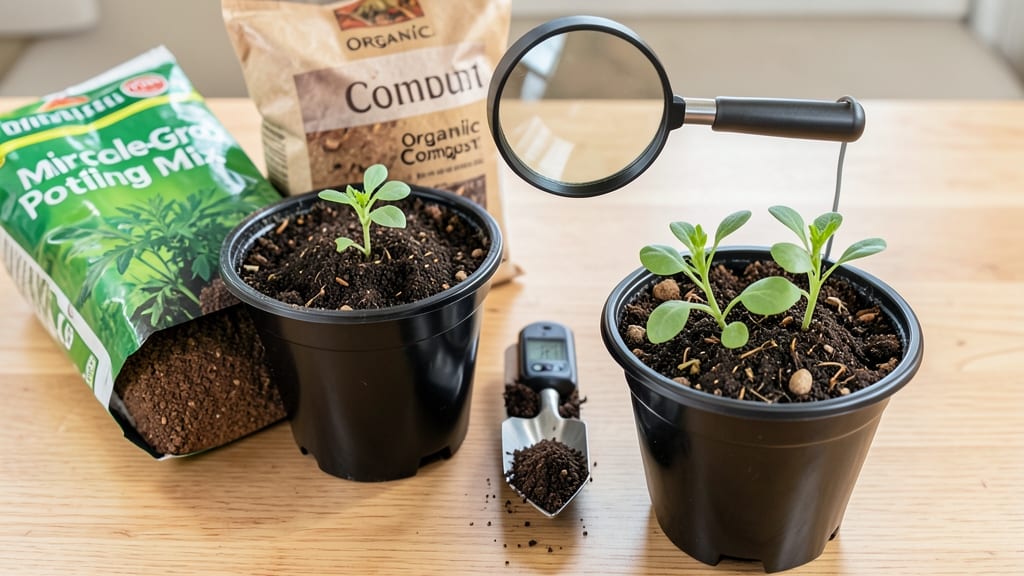
The difference between potting soil and compost might seem subtle at first glance, but they serve completely different purposes in your garden. 🌱 I’ve used both for years—potting soil for containers and compost to enrich my garden beds—and the difference in how plants respond is night and day.
Potting soil is designed to be lightweight and well-draining, packed with nutrients to keep potted plants thriving. It’s sterile, so it won’t introduce weeds or diseases, making it perfect for seedlings, herbs, and houseplants. Compost, on the other hand, is all about improving soil structure and feeding plants over time.
It’s richer in organic matter but can compact or retain too much moisture if used alone. The best part? You can use them together—mix compost into potting soil for extra nutrients, or blend potting soil with compost for garden beds to boost drainage.
That’s how I get the best of both worlds in my containers and raised beds. For beginners, start with potting soil for containers and save compost for amending garden soil. Once you understand their roles, you’ll see how each one makes your plants stronger and more productive.
The first product explained
Meet Miracle-Gro Potting Mix—your go-to companion for vibrant, thriving plants! 🌱✨ This premium potting soil is designed to give your houseplants, herbs, and flowers the perfect foundation for growth. Whether you're a seasoned gardener or just dipping your toes into the world of indoor gardening, this mix is packed with everything your plants need to flourish.
📏 Key Specs & Features
- Perfectly Balanced Blend: A nutrient-rich mix of peat moss, perlite, vermiculite, and composted bark to promote healthy root development.
- Moisture-Retentive: Holds water efficiently while allowing excess to drain, preventing overwatering or soggy roots.
- Lightweight & Fluffy: Easy to work with and ideal for containers, hanging baskets, and window boxes.
- Slow-Release Fertilizer: Includes a 4-month supply of plant food to keep your greens lush and growing.
- Sterilized & Pest-Free: No weeds, diseases, or unwanted critters—just pure, clean growing medium.
🎯 Who Is This For?
This potting mix is perfect for:
- 🌿 Indoor Gardeners: Ideal for houseplants, succulents, and herbs like basil or mint.
- 🏡 Urban Dwellers: Great for small spaces, balconies, or apartments with limited outdoor area.
- 🌸 Flower Lovers: Supports blooming plants like petunias, geraniums, and ferns.
- 👩🌾 Beginners & Experts: Simple to use, yet effective enough for seasoned plant parents.
💰 Price Point & Value
Priced at $12.99 for a 8-quart bag (or around $15.99 for a 12-quart bag), this mix offers incredible value. With its slow-release fertilizer and long-lasting formula, you’ll save money on frequent repotting and extra nutrients.
Plus, one bag can fill multiple containers, making it a cost-effective choice for small to medium-sized gardens!
Pro Tip: 💡 Mix this potting soil with a little compost (like our next product spotlight!) for an extra nutrient boost, especially for heavy feeders like tomatoes or peppers.
The second product explained
If you're looking for a more natural, nutrient-rich alternative to traditional potting soil, Miracle-Gro Organic Choice Potting Mix is a fantastic choice! 🌱 This premium blend is designed to help your plants thrive while minimizing synthetic additives. Let’s break down what makes it stand out.
🌿 Key Specs & Features
This organic potting mix is crafted with a perfect balance of peat moss, coconut coir, compost, and other natural ingredients, ensuring excellent aeration and moisture retention. Here’s what you’ll love:
- 100% organic – Free from synthetic fertilizers, making it ideal for eco-conscious gardeners.
- Enhanced nutrient profile – Packed with essential plant nutrients to support healthy growth.
- Lightweight yet sturdy – Perfect for containers, hanging baskets, and seed starting.
- pH-balanced – Optimized for most plants, reducing the need for additional amendments.
- 2.5 cubic feet coverage – A generous bag to get your gardening projects off to a great start.
🎯 Who Is This For?
This product is a great fit for:
- 🌿 Organic gardeners who prefer chemical-free growing mediums.
- 🌱 Houseplant lovers looking to boost root health and vitality.
- 🍃 Vegetable and herb growers who want a nutrient-rich foundation.
- 🏡 Beginner gardeners who want an easy, foolproof mix for containers.
💰 Price Point & Value
Priced around $12–$15 per 2.5 cubic feet bag, this mix offers excellent value for its quality and organic benefits. While it may be slightly more expensive than conventional potting soils, the long-term benefits—like healthier plants and reduced need for fertilizers—make it a worthwhile investment.
Plus, you can reuse it for multiple plantings with a little compost refresh!
Whether you're revamping your indoor jungle or prepping outdoor containers, this organic potting mix is a game-changer for plant enthusiasts who prioritize natural, sustainable growing. 🌟
Head-to-head comparison
Now that we’ve covered the basics of potting soil and compost, let’s dive into a detailed side-by-side comparison to help you decide which (or both!) is best for your gardening needs.
Whether you’re a seasoned plant parent or a curious beginner, understanding their differences will make your green thumb even stronger! 🌱✨
📊 Performance: What They Bring to the Table
When it comes to how these two materials perform in your garden or pots, the differences are as clear as day and night.
| Factor | Potting Soil | Compost |
|---|---|---|
| Primary Purpose | Designed to support container gardening—holds moisture, provides aeration, and balances nutrients. | Primarily a nutrient booster and soil conditioner; improves existing soil structure and fertility. |
| Nutrient Content | Pre-mixed with slow-release fertilizers and amendments (like perlite or peat moss) for balanced growth. | Rich in organic matter but not formulated for immediate plant feeding—nutrients release over time as microbes break it down. |
| Moisture Retention | Optimized to retain moisture without becoming waterlogged, thanks to added perlite or vermiculite. | Holds water but can compact if used alone, potentially leading to poor drainage. |
| Drainage | Excellent—designed to prevent root rot by allowing excess water to escape. | Depends on the type; well-aged compost drains well, but fresh compost can be too dense. |
| Best For | Potted plants, seedlings, and short-term garden beds where soil structure is critical. | In-ground gardens, long-term soil improvement, and as a top dressing for established plants. |
💰 Price: Your Wallet Will Thank You (or Not)
Budget-friendly gardening starts with knowing where to spend—and where to save!
- Potting Soil: Typically costs $3–$8 per cubic foot (or $10–$20 per 2–3 cubic feet bag). Prices vary based on brand and additives like coconut coir or worm castings.
- Compost: Often cheaper per volume—homemade compost costs nearly $0, while store-bought bags range from $2–$6 per cubic foot. Bulk purchases (like from local farms) can be even more affordable.
- Pro Tip: 💡 Mix the two! Use potting soil as a base for containers and amend it with compost to stretch your budget while boosting nutrients.
🛠️ Features: What’s Inside the Bag (or Bin)
Peek under the hood to see what makes each of these powerhouses tick.
| Component | Potting Soil | Compost |
|---|---|---|
| Organic Matter | 20–30% organic material (peat moss, coconut coir, or compost) blended with inorganic amendments. | 50–90% organic matter—decomposed plant material, kitchen scraps, or manure. |
| Inorganic Additives | Perlite, vermiculite, or sand for aeration and drainage. | None (unless contaminated); purely organic. |
| Microorganisms | Fewer microbes unless labeled "living soil" or "bio-intensive." | Teeming with beneficial bacteria, fungi, and worms that break down nutrients. |
| pH Balance | Neutral to slightly acidic (5.5–7.0), depending on additives. | Varies widely—can be acidic, neutral, or alkaline depending on source (e.g., wood chips vs. manure). |
| Texture | Light, fluffy, and easy to work with—ideal for delicate roots. | Can be chunky or fine; well-aged compost is crumbly, while fresh compost may feel sticky. |
⏳ Durability: How Long Will They Last?
Some materials fade faster than others—here’s how long each holds up.
- Potting Soil:
- Lasts 1–3 years in pots, depending on plant type and care. Over time, nutrients deplete, and the structure breaks down.
- Tip: 🌡️ Refresh with a top dressing of compost every 6–12 months to revive nutrients.
- Compost:
- In-ground: Permanent improvement—keeps enriching soil for years as microbes continue to decompose it.
- In pots: Decomposes faster (3–12 months) and may compact. Mix with potting soil to extend its life.
🌱 Ease of Use: Which Is Friendlier for Beginners?
Not all gardeners are created equal—some prefer low-maintenance solutions, while others love a hands-on project.
- Potting Soil:
- ✅ Plug-and-play—just add water and plants! No prep required.
- ✅ Great for beginner-friendly containers like herbs, succulents, or veggies.
- ❌ Can be expensive for large projects (e.g., raised beds).
- Compost:
- ✅ Budget-friendly and sustainable—make your own with kitchen scraps!
- ✅ Boosts long-term soil health, reducing the need for chemical fertilizers.
- ❌ Requires patience and effort to create or source high-quality compost.
- ❌ Not a standalone solution—must be mixed with existing soil or potting mix.
- Pro Tip: 🎯 For easiest results, use potting soil for containers and compost to amend garden beds.
🌿 Environmental Impact: Which Is Greener?
Your garden can be eco-friendly—here’s how these two stack up.
Which one should you choose?
So, you’ve weighed the pros and cons, and now you’re ready to decide: potting soil or compost? The answer depends on your gardening goals, plants, and project type! Here’s a clear-cut recommendation to help you make the best choice for your green thumb adventures. 🌱
🌿 Use Potting Soil When...
- Starting seedlings or propagating plants: Potting soil’s sterile, nutrient-rich formula gives young plants the ideal foundation to thrive without competing with weeds or diseases.
- Growing container plants: Its lightweight texture and moisture-retention properties are perfect for pots, hanging baskets, and raised beds where drainage is key.
- Needing a ready-to-use mix: Pre-mixed potting soil is convenient for beginners or busy gardeners who want a balanced blend of nutrients and aeration.
🌱 Use Compost When...
- Amending garden beds or in-ground planting: Compost improves soil structure, fertility, and microbial life—ideal for long-term garden health.
- Revitalizing depleted soil: If your soil is compacted, poor-draining, or nutrient-starved, compost is the ultimate soil booster.
- Following sustainable practices: Homemade or store-bought compost reduces waste and enriches your garden naturally over time.
💡 Pro Tip: Combine Both for the Best Results!
Why choose? Many gardeners mix both for optimal growth. For example:
- 60% potting soil + 40% compost for container plants needing extra nutrients.
- 50% compost + 50% potting soil for in-ground planting to balance aeration and fertility.
📊 Quick Decision Guide
| Scenario | Potting Soil | Compost |
|---|---|---|
| Starting seeds indoors | ✅ Best choice | ❌ Not ideal (can compact) |
| Planting perennials in the ground | ❌ Too temporary | ✅ Ideal for long-term growth |
| Reviving a struggling potted plant | ✅ Refresh with fresh mix | ✅ Mix 50/50 for a nutrient boost |
| Building a new garden bed | ❌ Not cost-effective | ✅ Essential for soil health |
No matter what you choose, your plants will thank you! Happy gardening, and may your green space flourish. 🌻