
Light Requirements
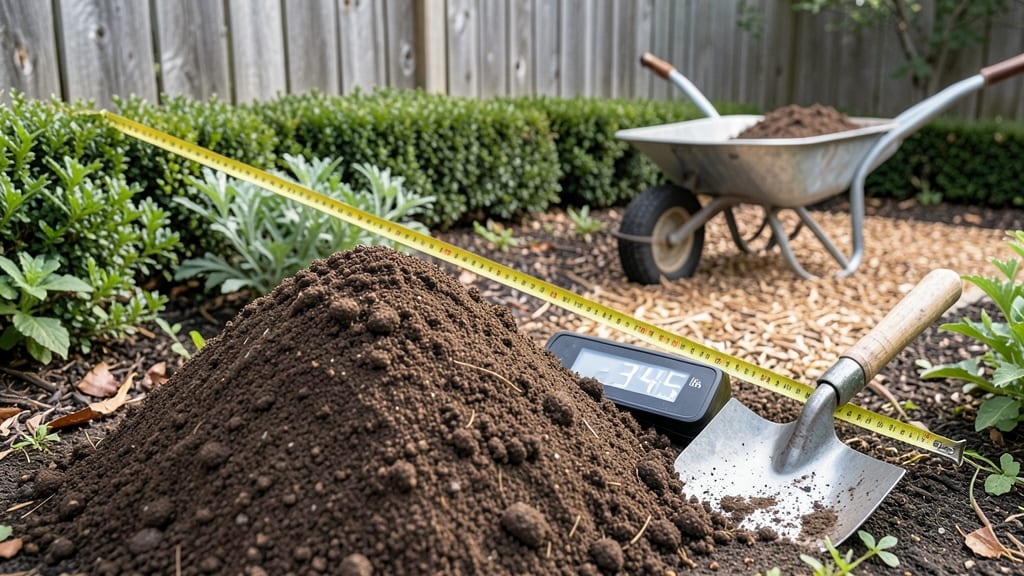
To determine how much 1 yard of topsoil weighs, expect 2,000 to 2,700 pounds—this range shifts based on moisture levels and how tightly the soil is packed.
Understanding why topsoil weight varies is key for accurate project planning.
Moisture plays the biggest role—wet soil can weigh 30% more than dry due to water absorption, while compacted soil (like after heavy rain) may exceed 2,700 pounds per cubic yard. 🌱 For example, a freshly tilled garden bed will typically fall in the mid-range, but construction sites often deal with heavier, more densely packed soil.
Always account for these factors when estimating delivery needs or truck capacity.
When calculating for landscaping, I recommend adding a 10-15% buffer to your weight estimates to account for unexpected variations. A simple field test can help: take a handful of soil—if it holds its shape when squeezed, it's likely on the heavier side.
This practical check saves time and prevents over-ordering or under-delivery.
💡 In This Article
- Factors Affecting Topsoil Weight per Cubic Yard
- Calculating Topsoil Weight for Landscaping Projects
Factors affecting topsoil weight per cubic yard
The weight of topsoil isn't fixed—it fluctuates based on three key factors: moisture content, organic matter, and compaction. Moisture alone can swing the weight by 300-500 pounds per cubic yard.
For example, dry topsoil (like freshly screened material) might weigh 1,800 pounds, while saturated soil after a rainstorm can approach 3,000 pounds. This happens because water fills pore spaces between soil particles, increasing overall density.
Organic matter plays a surprising role too. Topsoil with 5-10% organic content (like compost or decomposed leaves) weighs slightly less than mineral-heavy soil because organic material is less dense. However, this lighter weight doesn't mean lower quality—organic-rich soil improves plant growth.
Compaction is the third major factor: foot traffic or machinery can reduce pore space by 20-30%, increasing weight by 10-20% per cubic yard. Think of it like squeezing a sponge—more pressure means more weight in the same volume.
For gardeners, ideal moisture for planting is 40-60% water content by weight—this range balances workability and weight. Too dry (20% moisture) makes soil brittle and hard to spread, while oversaturated soil (> 70% moisture) can suffocate roots and double handling difficulty.
The perfect balance occurs when a handful of soil crumbles slightly when squeezed but holds together—this is the "optimum moisture" zone for most plants.
Here's how these factors interact in real scenarios:
- Loose, dry topsoil: 1,800-2,000 pounds (ideal for seed starting)
- Moderately moist, tilled soil: 2,200-2,500 pounds (best for garden beds)
- Compacted, wet soil: 2,700-3,200 pounds (common after construction)
What most people don't realize is how temperature affects moisture retention. Cold soil holds more water (up to 15% more by weight) than warm soil because water molecules move slower in cooler temperatures.
This seasonal variation means winter deliveries often weigh more than summer ones—something to account for when planning year-round projects. 🌡️
For precise measurements, soil scientists use a device called a "soil corer" to extract undisturbed samples. When you're working without lab equipment, a simple field test works: take a 1-cubic-foot sample (about 12 inches x 12 inches x 12 inches) and weigh it.
Multiply that weight by 27 (since 1 cubic yard = 27 cubic feet) to estimate your topsoil's density. This DIY method gives surprisingly accurate results for most gardening projects.
The bottom line? Topsoil weight is dynamic—it's not just about the "yard" measurement but the hidden variables of moisture, organic content, and compaction working together. Understanding these factors helps you avoid costly surprises when planning deliveries or estimating project needs. 💡