
Advice
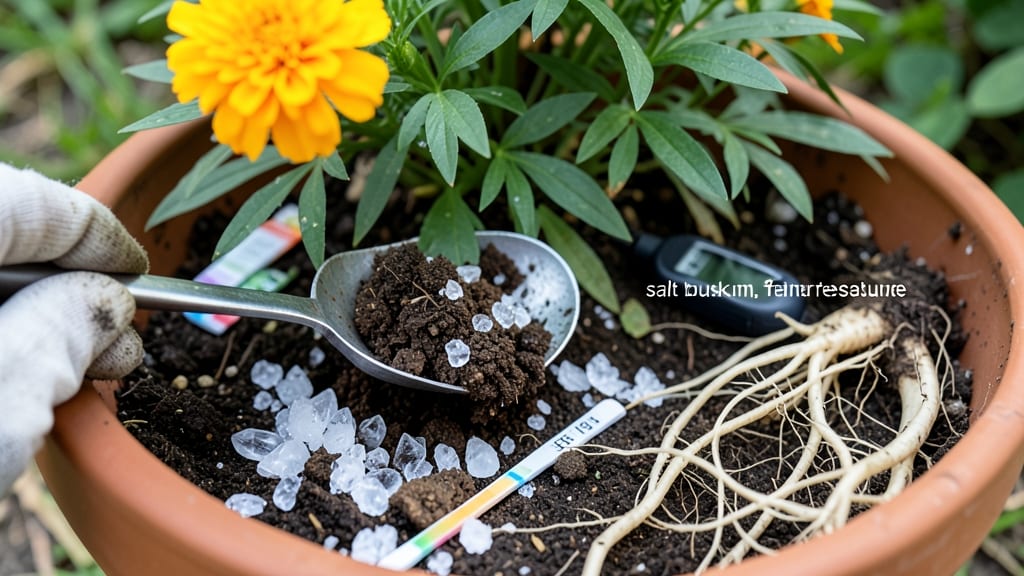
That white stuff in your soil mix isn’t a mystery—it’s the fast-track to fluffy, fast-draining beds most gardeners overlook. 🌱 I’ve seen it in everything from fresh potting mixes to old garden soil, and it’s usually one of three things: harmless gypsum, stubborn salt buildup, or something more concerning like mold.
The good news? You can identify it in seconds and fix it before it affects your plants.
Gypsum (calcium sulfate) is the most common culprit—it looks like tiny white crystals and dissolves when wet. Salt deposits, often from tap water or fertilizers, form crusty white patches that repel water. Mold or fungus, meanwhile, appears fuzzy or powdery, sometimes with a musty smell.
The key is checking moisture levels and texture: gypsum feels gritty, salt leaves a white residue on fingers, and mold clumps together when disturbed.
For gypsum or salt, flush the soil with water to dissolve the minerals, then top-dress with compost to improve drainage. If it’s mold, remove affected soil, add a thin layer of sand or perlite, and improve airflow.
The goal is to restore that light, airy texture your plants thrive in—no more compacted, waterlogged messes.
Prevention is simple: use filtered water, avoid over-fertilizing, and test your soil’s pH regularly. A little white stuff isn’t the end of the world—it’s just your soil talking. And once you know what it means, you’ll spot it before it becomes a problem.
Hidden Ingredients Causing White Residue
Ever scooped up your soil mix and found mysterious white specks lurking in the blend? Those aren’t just random impurities—they’re often clues about what’s happening beneath the surface of your garden or potted plants.
Understanding the root causes helps you troubleshoot and create the perfect, fluffy, fast-draining mix. Let’s dig into the science behind these chalky surprises.
If you’re mixing soil with tap water, you might be introducing hidden minerals that crystallize over time. Hard water—rich in calcium, magnesium, and other dissolved salts—leaves behind white residue as it evaporates. This buildup is especially noticeable in containers or raised beds where water frequently dries out.
Why it happens:
- Evaporation: When water with dissolved minerals dries, it leaves behind a crusty, white film (like salt on a sidewalk after a winter thaw).
- pH shifts: High mineral content can alter soil pH, creating an alkaline environment that encourages further precipitation of calcium carbonate (chalk).
- Poor drainage: If water pools and then evaporates, minerals concentrate in the upper layers of the soil.
Actionable fix: Use distilled, rainwater, or filtered water for mixing. If you’re committed to tap water, let it sit in an open container for 24 hours to allow gases (like chlorine) to escape before using it.
Amending soil with lime (calcium carbonate) or gypsum (calcium sulfate) is a common practice to adjust pH or improve structure—but overdoing it can lead to visible white streaks. These amendments dissolve slowly, and excess amounts may not fully integrate, leaving behind gritty, chalky deposits.
Why it happens:
- Slow dissolution: Lime and gypsum break down gradually. If you add too much at once, undissolved particles remain as white flecks.
- pH imbalance: Excess lime raises soil pH dramatically, causing other minerals (like magnesium) to precipitate out as white crystals.
- Physical mixing: If amendments aren’t thoroughly blended into the soil, they create pockets of concentrated white material.
Actionable fix: Follow package instructions for amendment ratios. For example, lime should be applied at 0.5–1 pound per 100 square feet for most garden soils. Test your soil’s pH first to avoid overcorrecting.
Not all white stuff is mineral-based—some of it could be fungal hyphae, mold, or even algae. These organisms thrive in moist, organic-rich soil mixes, especially if the blend is too dense or lacks proper aeration. While not always harmful, they can indicate poor soil health or excessive moisture.
Why it happens:
- High organic matter: Fresh compost, peat moss, or coconut coir provide a feast for fungi, which can grow as white, cottony strands.
- Stagnant moisture: Overwatering or poor drainage creates the perfect humid environment for mold spores to spread.
- Low light exposure: Soil in shaded areas or thick mulch layers stays damp longer, encouraging fungal growth.
Actionable fix:
- Fluff the soil mix to improve aeration and reduce moisture retention.
- Add perlite or vermiculite (5–10% by volume) to boost drainage.
- If mold is widespread, mix in a 1–2% ratio of food-grade diatomaceous earth to inhibit growth.
Fertilizers—especially synthetic ones like synthetic nitrogen (urea) or potassium-based products—can leave behind white salt deposits when they break down. Even "natural" compost can contribute if it’s high in undigested plant material or animal manure salts.
Why it happens:
- Chemical breakdown: Urea fertilizers convert to ammonium, which can react with soil minerals to form white ammonium salts.
- Over-fertilization: Excess salts aren’t absorbed by plants and accumulate on the soil surface.
- Compost quality: Poorly decomposed compost may contain high concentrations of sodium or chloride, which crystallize as white residue.
Actionable fix:
- Flush the soil with water to leach out excess salts (especially in containers).
- Use slow-release fertilizers or organic options like worm castings, which break down more cleanly.
- Test your compost’s salt content before mixing—ideal compost should have a neutral pH (around 7.0).
If your soil mix includes perlite, pumice, or other volcanic minerals, you might notice white chunks that haven’t fully broken down. These additives are meant to improve drainage, but if they’re added in large clumps or not pre-wetted, they can remain visible as white specks.
Why it happens:
- Incomplete blending: Perlite or pumice is lightweight and can separate from the soil mix if not thoroughly incorporated.
- Low moisture during mixing: Dry perlite absorbs water slowly, so if you add it to a mix without wetting it first, it may stay as hard, white granules.
- Over-filling containers: Packing soil too tightly can prevent these additives from dispersing evenly.
Actionable fix:
- Pre-wet perlite or pumice before mixing—sprinkle it with water and let it sit for 10 minutes to soften.
- Sift the soil mix after blending to ensure even distribution.
- Use 5–10% perlite by volume for optimal drainage without overwhelming the mix.
Fixing White Soil Mysteries Fast
Got that puzzling white stuff ruining your soil mix? Don’t panic—most cases are easy to diagnose and fix with the right approach. Below, we’ve mapped the most common causes to practical, step-by-step solutions, plus pro tips to keep your soil fluffy and fast-draining for good.
Problem: White chalky patches or crusts on the soil surface? That’s likely salt, lime, or mineral residue—common in tap water, fertilizers, or hard water irrigation.
How to Fix It: 🔥 Flush the Soil – Water the mix heavily (like a rainstorm) to dissolve and wash away salts. Repeat 2–3 times until runoff is clear. 🍳 Add Organic Matter – Mix in 1–2 inches of compost or peat moss to bind excess minerals and improve drainage. 👨🍳 Use Filtered or Rainwater – If your tap water is hard, switch to rainwater or distilled water for watering. ⏰ Avoid Over-Fertilizing – Too much synthetic fertilizer (especially high in sodium or chloride) worsens buildup. Opt for slow-release organic fertilizers instead.
💡 Prevention Tip:
- Test your water for hardness (kits are cheap at garden centers). If it’s high, flush pots or beds monthly with plain water.
Problem: Fuzzy white webs or powdery patches? That’s fungal growth—thriving in damp, poorly ventilated soil mixes.
How to Fix It: 🔥 Improve Airflow – Space plants wider apart and avoid overcrowding in containers. 🍳 Reduce Moisture – Let the top 1–2 inches of soil dry out between waterings. Use a moisture meter if unsure. 👨🍳 Apply Fungicide – Spray with a natural fungicide (neem oil, hydrogen peroxide mix, or baking soda solution: 1 tsp baking soda + 1 quart water + few drops of soap). 🔪 Remove Infected Soil – If severe, discard the top layer of contaminated mix and replace with fresh, sterile potting soil.
🌡️ Prevention Tip:
- Sterilize tools between uses with rubbing alcohol to prevent spreading spores.
- Avoid wetting foliage when watering—aim for the soil base.
Problem: Gritty white granules? You might’ve added too much gypsum, lime, or bone meal—common in amending alkaline soil.
How to Fix It: 🔥 Amend with Sulfur – If your soil is too alkaline, mix in elemental sulfur (follow package rates) to lower pH gradually. 🍳 Use Acidifying Fertilizers – Switch to cottonseed meal or pine bark fines to naturally acidify over time. 👨🍳 Test Soil pH – Grab a soil test kit ($10–$20) to confirm if the white stuff is raising pH. Adjust based on plant needs (e.g., blueberries love acid; tomatoes prefer slightly acidic to neutral).
✨ Prevention Tip:
- Measure amendments carefully—gypsum and lime are potent! Start with half the recommended dose and monitor.
Problem: Tiny white specks or larvae? Fungus gnats or shore flies could be laying eggs in your damp mix.
How to Fix It: 🔥 Let Soil Dry Between Waterings – These pests love moisture. Water only when the top inch feels dry. 🍳 Use Yellow Sticky Traps – Place them near plants to catch adult gnats before they lay eggs. 👨🍳 Add Beneficial Nematodes – Drench soil with Steinernema feltiae (sold at garden centers) to kill larvae naturally. 🔪 Replace Topsoil if Needed – For severe infestations, remove the top 2 inches of soil and replace with fresh, sterile mix.
🎯 Prevention Tip:
- Avoid overwatering—these pests thrive in soggy conditions. Use self-watering pots with drainage holes to control moisture.
Problem: Sudsy or oily white film? You might’ve used too much soap in homemade fungicides or chemical fertilizers that left a residue.
How to Fix It: 🔥 Rinse Thoroughly – Give the soil a heavy flush with plain water to remove soap or chemical traces. 🍳 Switch to Mild Cleaners – If using homemade sprays, dilute soap further (1 tsp per gallon of water max). 👨🍳 Use Vinegar for Stubborn Residue – Mix 1 part white vinegar to 3 parts water and lightly spray to break down soap scum (avoid overuse—it can acidify soil).
💡 Prevention Tip:
- Patch-test sprays on a small soil area first to check for reactions.
Track what you add (water, amendments, fertilizers) and when you notice white stuff. Over time, you’ll spot patterns—like which fertilizers trigger salt buildup or which water sources cause mineral crusts.
With these fixes, your soil mix will stay light, fluffy, and fast-draining—no more mystery white surprises! 🚀
Frequently asked questions
Is white stuff in my soil mix always harmful?
Not necessarily! The white stuff could be harmless gypsum (calcium sulfate), which actually improves soil structure. However, if it's salt buildup, mold, or fungal growth, these can harm plants by altering soil chemistry or creating poor drainage. Always check texture and moisture levels first—gypsum feels gritty and dissolves when wet, while salts leave crusty residues.
How do I tell if it's salt buildup vs. mold?
Salt buildup appears as crusty white patches that often form on the surface, especially in containers. It feels powdery and can be scraped off. Mold, on the other hand, looks fuzzy or cottony and may have a musty smell. If you see white strands that clump when touched, it's likely mold—time to improve airflow and reduce moisture.
Can I still use soil with white stuff if my plants look healthy?
If your plants are thriving, the white stuff might be harmless gypsum or undissolved perlite. However, long-term salt buildup can eventually harm roots by preventing water absorption. For peace of mind, flush the soil with water to dissolve any soluble minerals and test your soil's pH. If it's balanced and plants are happy, you're likely fine!
What's the fastest way to fix salt buildup in potted plants?
Give your pots a heavy flush with distilled or rainwater—run water through until it drains clear. Then mix in 1-2 inches of compost to help bind excess salts. For severe cases, repot with fresh soil and use filtered water moving forward. This method works in 15-30 minutes and prevents future buildup.
Will adding more compost fix all white stuff problems?
Compost helps with some issues (like binding salts), but it won't solve fungal growth or excess lime. For mold, improve airflow first. For lime/gypsum, test your soil's pH and adjust with sulfur if needed. The key is identifying the specific cause—compost alone won't fix everything, but it's a great starting point for most soil issues.