
Landscaping
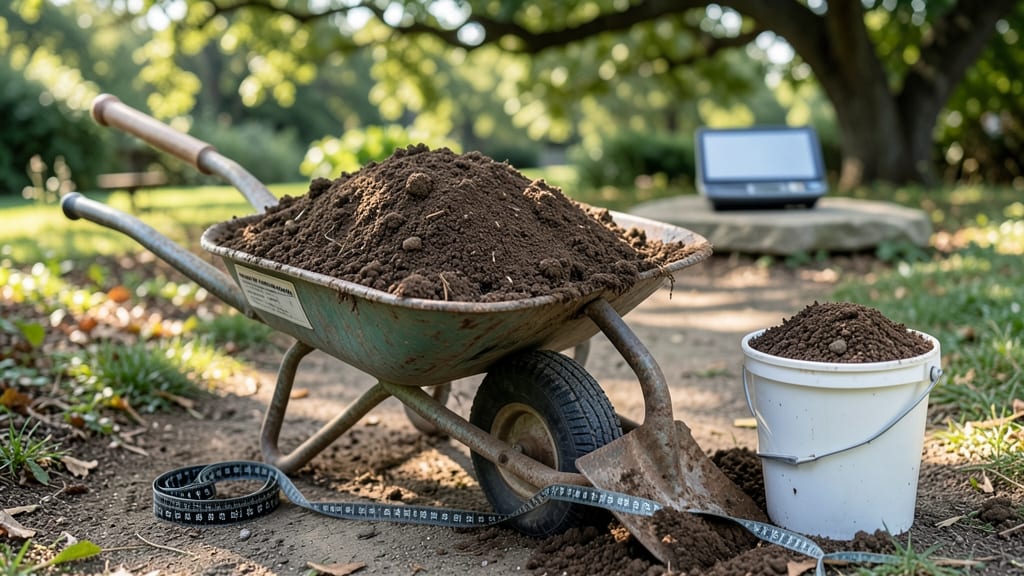
A yard of soil weighs 2,000 to 2,400 pounds when loose, but compacted or clay-heavy soil can reach over 2,700 pounds per cubic yard. Moisture levels and soil composition significantly alter the weight, so always confirm with suppliers before ordering or transporting.
A yard of soil's weight varies dramatically based on its type and moisture. Loose topsoil is lighter because of air pockets between particles, while clay-heavy or wet soil packs more densely, increasing weight.
For example, sandy soil might weigh closer to 1,800 pounds, whereas saturated clay could exceed 3,000 pounds. 🔥 Understanding this helps avoid overloading trucks or misjudging project needs.
When planning a landscaping project, always account for these variations. Delivery trucks typically handle up to 10 cubic yards of loose soil, but compacted loads reduce capacity. I recommend measuring your space accurately and asking suppliers for moisture-adjusted weight estimates—this prevents costly last-minute adjustments.
💡 In This Article
- Factors Affecting Soil Weight per Cubic Yard
- Practical Tips for Calculating and Handling Soil Weight
Factors affecting soil weight per cubic yard
Soil weight isn't static—it's a dynamic property influenced by four key factors: particle density, moisture content, organic matter, and soil type. The particle density (how tightly packed the mineral particles are) creates the baseline weight, but moisture adds significant variability.
For instance, dry sandy soil might weigh around 1,800 pounds per cubic yard due to its loose structure, while the same volume of clay soil can reach 2,700 pounds when dry because clay particles pack more tightly.
Moisture content is where things get interesting. Water adds 8.34 pounds per gallon to the weight, and soil can hold anywhere from 10% to 50% of its weight in water depending on saturation.
Saturated clay soil can easily exceed 3,000 pounds per cubic yard, while even loose topsoil with 30% moisture content jumps from 2,000 to 2,600 pounds. This explains why spring delivery often feels heavier—soil absorbs rainwater like a sponge. 💧
Organic matter also plays a role, though it's less dramatic. Compost-amended soil contains lighter, decomposing materials that reduce overall weight by 5-15% compared to pure mineral soil. However, the real game-changer is soil type.
Sandy soils have larger particles with more air space, while silt and clay soils have finer particles that interlock tightly. For comparison, a cubic yard of gravel weighs about 2,800 pounds—heavier than most soils—but lacks the moisture variability that makes soil weights so unpredictable.
What most people overlook is how these factors interact. For example, a loamy soil (ideal for gardening) with 20% clay, 40% sand, and 40% silt might weigh 2,200 pounds dry, but after a heavy rain, that same yard could swell to 2,800 pounds.
This variability is why suppliers often ask about your project timeline—wet soil in spring behaves differently than dry summer soil.
Understanding these mechanics helps explain why your neighbor's 10 cubic yards of "same soil" might feel lighter or heavier than yours. The key takeaway? Always ask suppliers about current moisture conditions and test a small bag first if you're transporting it yourself.
A 5-gallon bucket of your soil can give you a rough weight estimate per cubic foot—multiply by 27 for a cubic yard conversion.
Here's a quick comparison to put it in perspective:
- Dry sandy soil: 1,800-2,000 pounds (lightest common type)
- Loose topsoil (moderate moisture): 2,000-2,400 pounds (standard reference)
- Clay soil (dry): 2,500-2,700 pounds (dense but dry)
- Saturated clay soil: 3,000+ pounds (heaviest common scenario)
- Gravel: 2,800 pounds (non-organic comparison)
This range shows why truck capacity becomes critical—what fits in a 10-yard dump truck in summer might not move in spring. Always verify with your supplier or use an online soil calculator to adjust for local conditions.