
How To
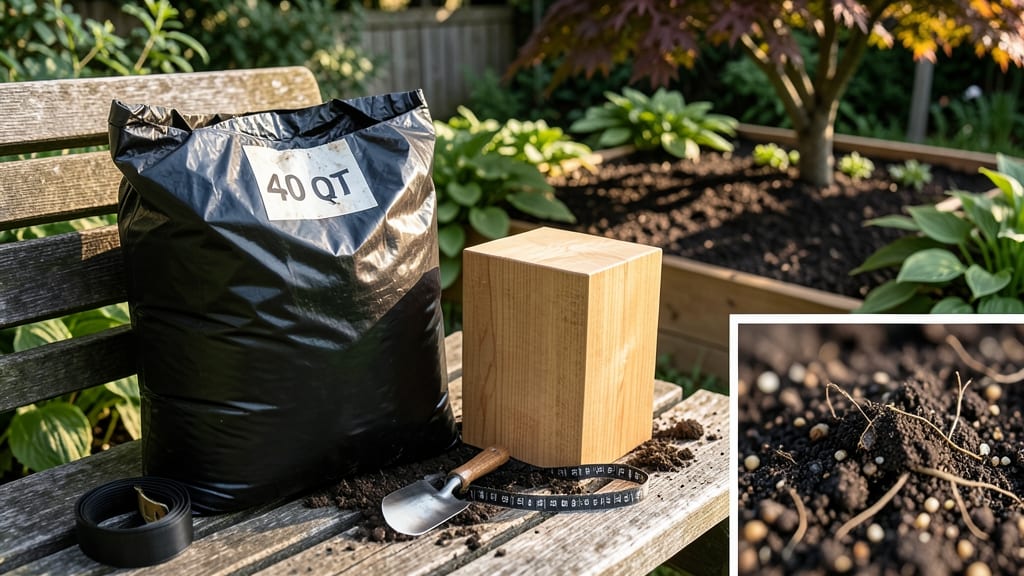
Converting 40 quarts of soil equals approximately 1.11 cubic feet, which is essential for planning garden bed sizes, container volumes, and proper plant spacing in outdoor growing spaces.
Understanding this conversion helps gardeners avoid overfilling containers or underestimating soil needs for root systems. 🌱 For example, a standard 4-foot by 4-foot raised bed typically requires 1.5 cubic feet of soil per inch of depth, so knowing these measurements ensures you buy the right amount.
I always double-check calculations when mixing soil amendments, as even small errors can lead to poor drainage or nutrient imbalance.
This measurement also comes in handy when dividing larger soil volumes. One cubic yard of soil (27 cubic feet) contains about 800 quarts—meaning 40 quarts is roughly 1/24th of a cubic yard.
That's perfect for filling small pots or topping off garden beds without buying more than necessary. Always account for soil compaction too, as freshly tilled dirt settles about 20-25% after watering.
💡 In This Article
- How Quart and Cubic Foot Measurements Compare in Gardening
- Practical Applications for 40-Quart Soil in Garden Planning
How quart and cubic foot measurements compare in gardening
The conversion between quarts and cubic feet stems from basic volume mathematics. One cubic foot equals approximately 29.922 quarts, meaning 40 quarts converts to about 1.11 cubic feet when divided by this factor.
This relationship matters because gardeners often work with both units—quarts for measuring bags of soil or compost, and cubic feet for calculating bed dimensions. For example, a 5-gallon bucket (which holds about 12.2 quarts) would occupy 0.41 cubic feet, making it a handy reference point.
This conversion impacts plant health by determining root space and soil depth. Roots need room to spread—tomatoes, for instance, require at least 1 cubic foot of soil per plant for proper growth.
If you're filling a 12-inch-deep raised bed, you'd need 1.11 cubic feet per square foot of bed area. The math ensures you don't skimp on soil volume, which can lead to stunted plants or poor nutrient uptake.
Compacted soil (common in heavy clay) further reduces usable space, so always account for a 15-20% buffer when planning.
Gardeners also rely on these measurements to avoid waste. A 40-quart bag of potting mix might seem like enough for a small pot, but converting to cubic feet reveals it's only 1.11 cubic feet—barely enough for a 12-inch-deep, 12-inch-wide container.
This is why I recommend checking container dimensions before purchasing soil. For example, a 18-inch square pot needs 2.25 cubic feet of soil at 12 inches deep, meaning you'd need two 40-quart bags plus extra for drainage layers.
Understanding this conversion also helps when mixing soil amendments. If your recipe calls for 20% compost by volume in a 1.11 cubic foot bed, you'd need about 0.22 cubic feet (6.5 quarts) of compost. This precision prevents nutrient imbalances, which can stress plants or attract pests.
For instance, too much peat moss (a common amendment) can create overly acidic soil, harming sensitive plants like blueberries, which thrive at pH 4.5-5.5 but struggle in neutral soil.
Visualizing these measurements makes planning easier. Imagine stacking four 1-gallon milk jugs (each holding 4 quarts)—that's roughly 1.11 cubic feet. This "jug stack" trick helps gauge soil volumes in real time, whether you're filling a window box or topping off a raised bed.
For larger projects, like a 4x8-foot bed at 12 inches deep, you'd need 35.5 cubic feet (1,060 quarts), or about 27 40-quart bags. Always round up to account for settling and mistakes!
One common mistake is ignoring the void space in containers. A 5-gallon bucket might seem like it holds 12.2 quarts, but if you're using it as a planter, the inner dimensions (after accounting for walls) reduce usable soil volume by 10-15%.
Measuring the interior depth and width before calculating soil needs saves time and money. For example, a bucket with 10-inch inner walls holds less soil than one with 12-inch walls, even if they look similar from the outside.