I’ve always had a green thumb, but my real education in gardening started when I moved to a tiny house on five acres in rural Oregon. My first attempt at growing tomatoes ended with more blight than fruit, but that failure taught me more than any book could. Now, I’m here to share what I’ve learned—both the triumphs and the lessons from the dirt-streaked messes—so you can grow plants that thrive, not just survive. This site is for anyone who’s ever wondered how to turn a patch of soil into something beautiful, edible, or just plain fascinating.
💥 Quick Answer Tilling the soil means aerating the ground to break up compacted earth, improve drainage, and create an optimal environment for root development and seed germination. This process involves using tools…
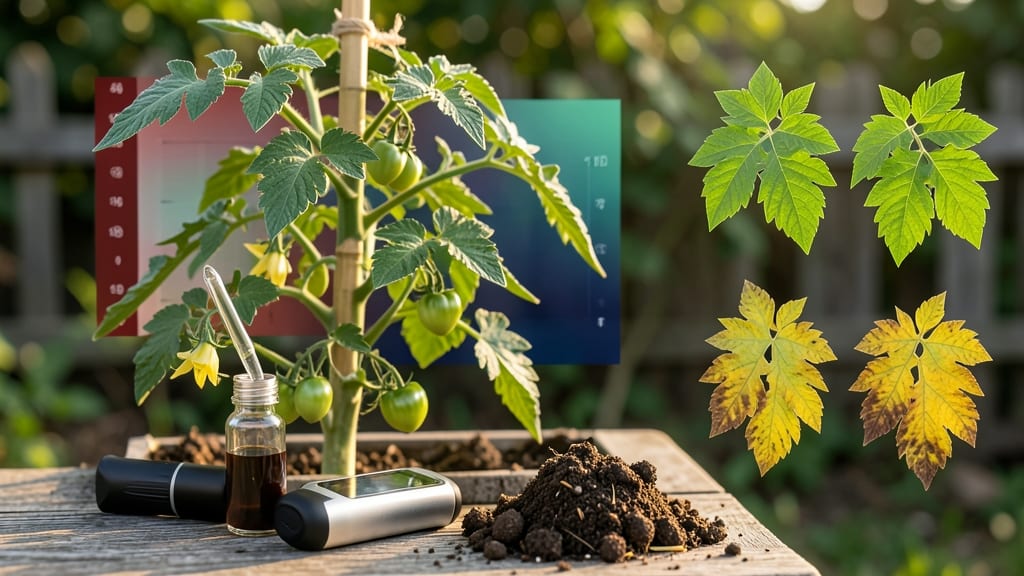
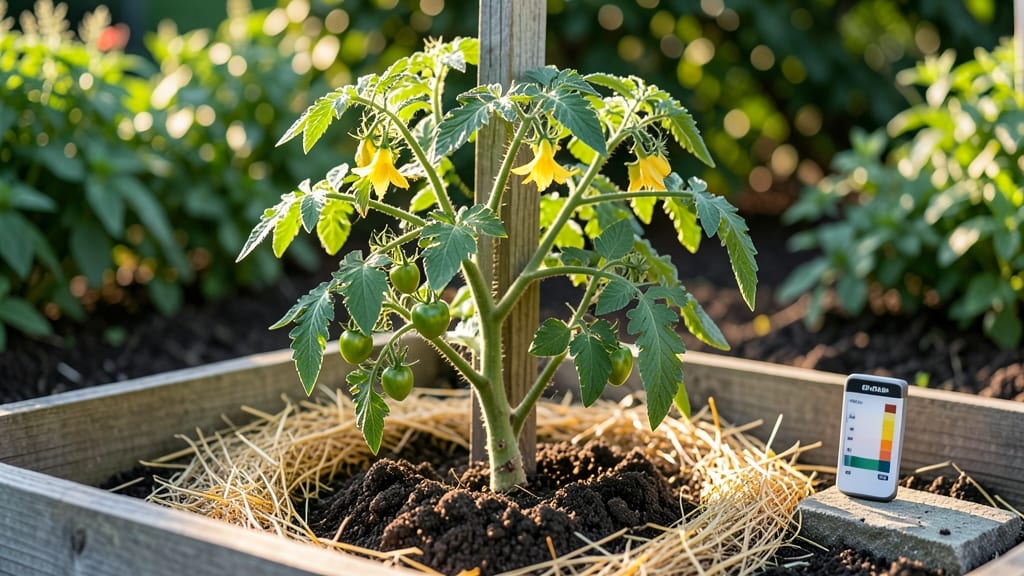
Tomato plants thrive when soil pH sits between 6.0 and 6.8 —that narrow range is where they soak up nutrients like a sponge. 🌱 I learned this the hard way after my first harvest tasted bland and my plants looked…
💥 Quick Answer Tomato plant soil requirements demand well-draining, nutrient-rich loam with a pH of 6.0–6.8, high organic matter, and good aeration to prevent root rot while supporting strong growth and fruit…
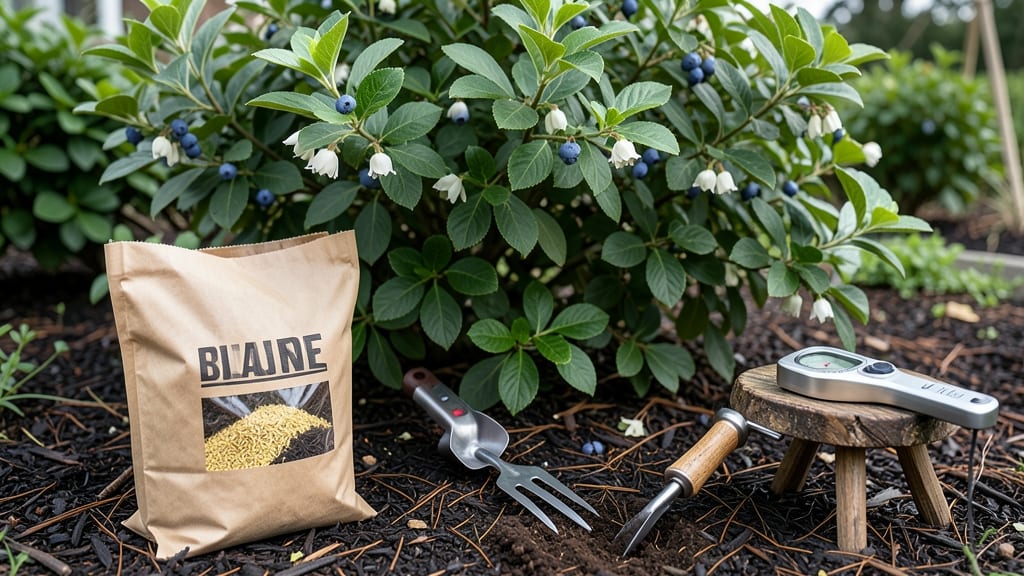
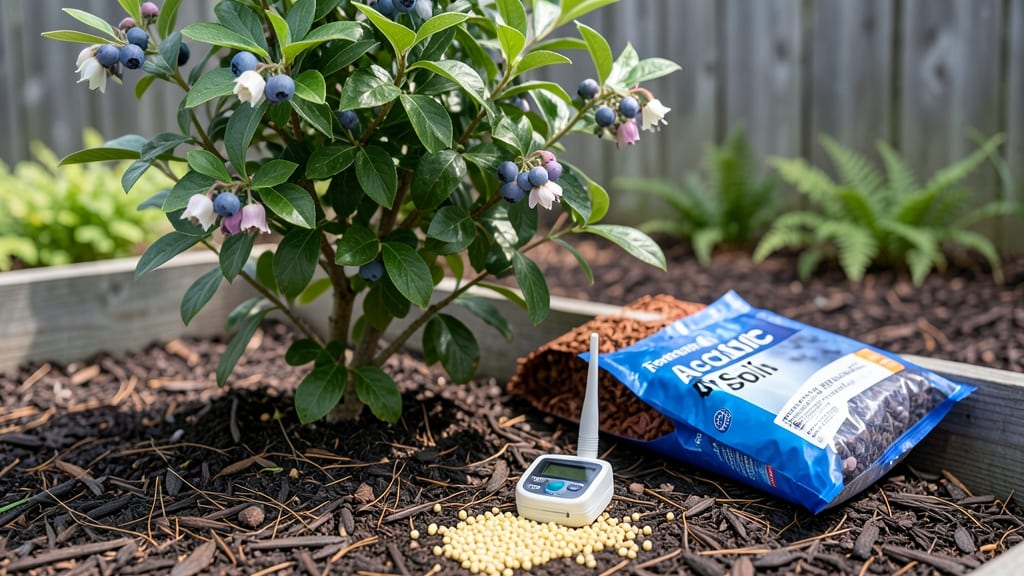
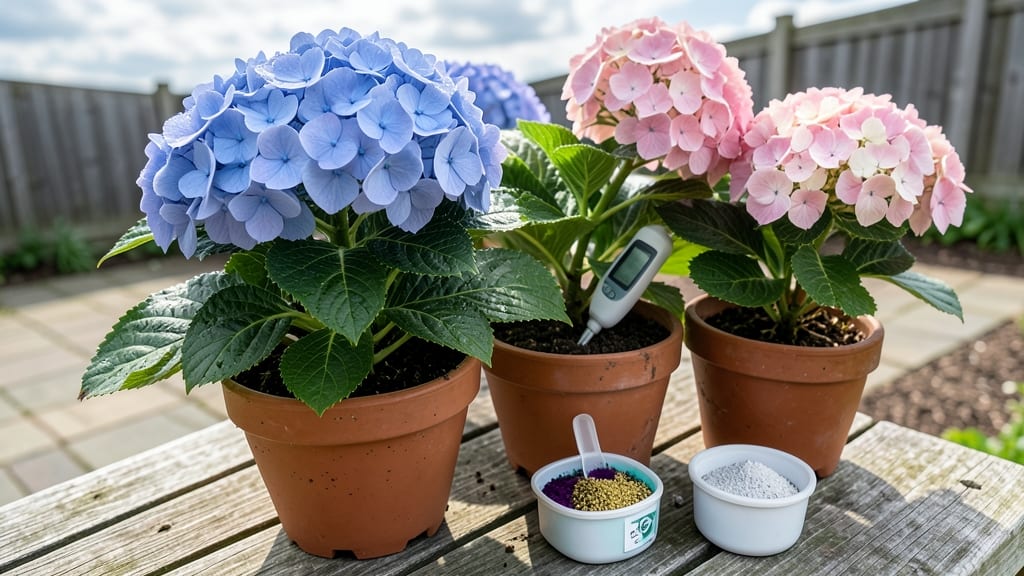
If your acid-loving plants like blueberries, azaleas, and hydrangeas are struggling to thrive, the right true organic soil acidifier could be the game-changer you’ve been missing. 🔍 Many gardeners assume synthetic…
Your blueberry bushes might be thriving, but those same acidic soils can grow vegetable crops tolerant to acidic soil with a pH between 5.5 and 6.5 —and the right choices mean fewer amendments and happier harvests. 🌱…
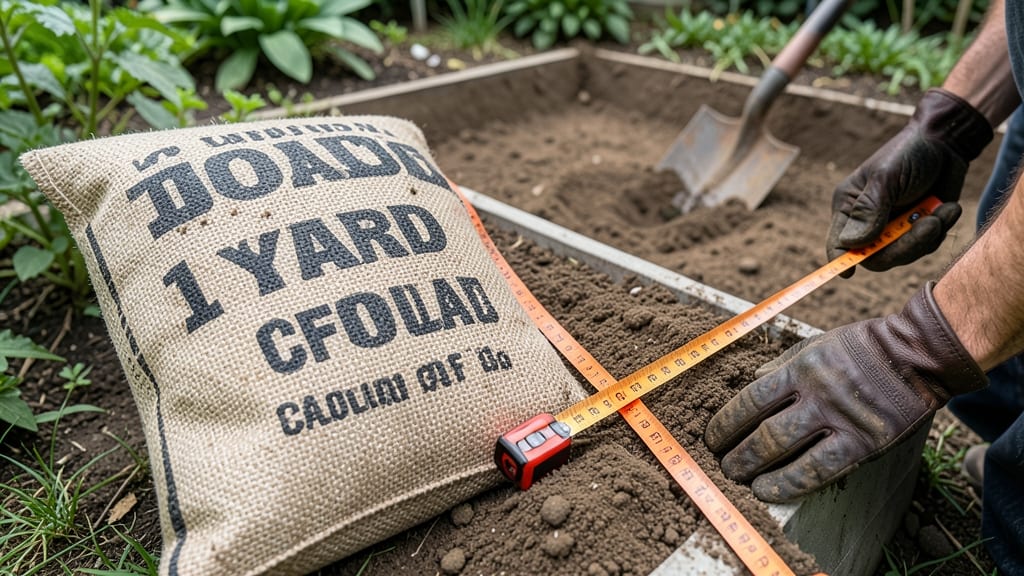
💥 Quick Answer One yard of soil looks like a dense, cubic pile measuring 3 feet long, 3 feet wide, and 3 feet tall, weighing between 1,800 to 2,200 pounds when dry. Its exact weight depends on composition—sandy soil is…
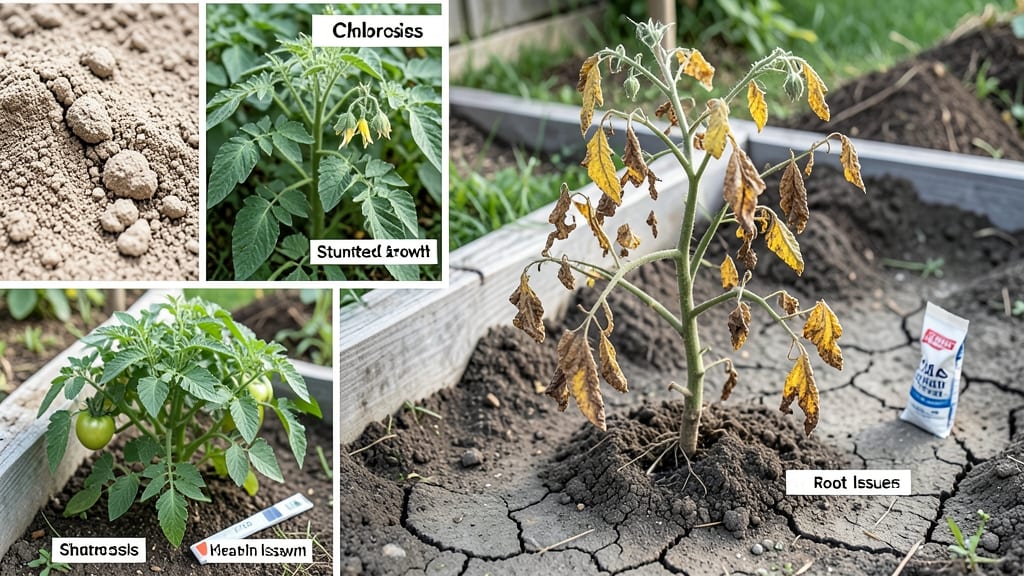
💥 Quick Answer Soil infertility happens when your garden soil lacks vital nutrients, organic material, or the right acidity level, blocking plants from absorbing what they need to thrive. You'll see weak roots, yellow…
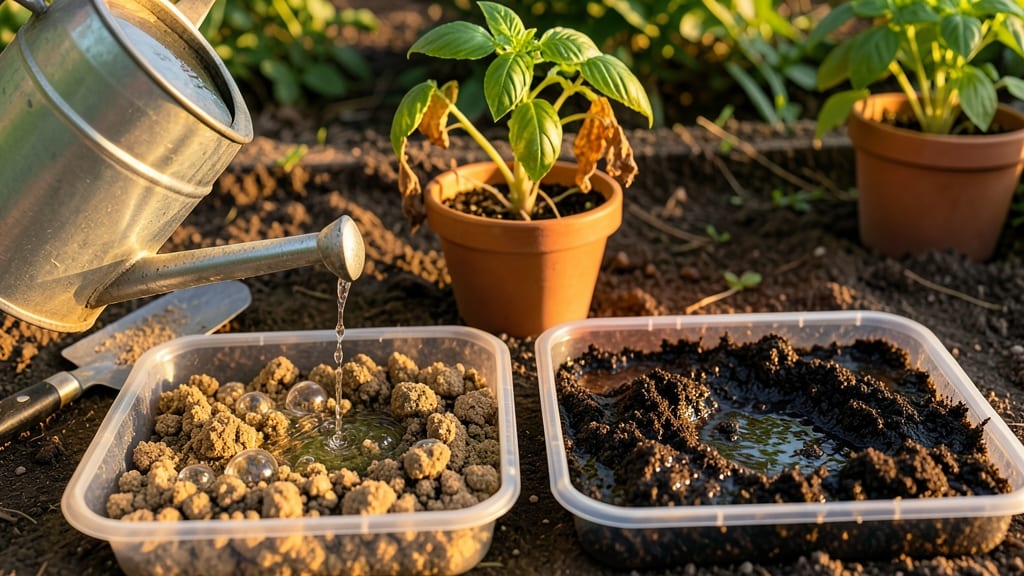
Your soil repelling water like oil on pavement? 🌱 That’s hydrophobic soil, and it’s silently starving your plants—even when you water. I’ve seen tomato plants wilt mid-season because the soil refused to drink, and the…
Soil is the unsung hero of plant growth — why is the soil important for plants ? Without it, even the hardiest plants struggle to thrive. Whether you're battling weak stems, stunted blooms, or mysterious yellowing…
💥 Quick Answer Soil pH is important because it directly impacts nutrient availability and plant vitality—most crops prefer slightly acidic to neutral conditions (pH 6.0–7.0), where essential minerals like nitrogen…